
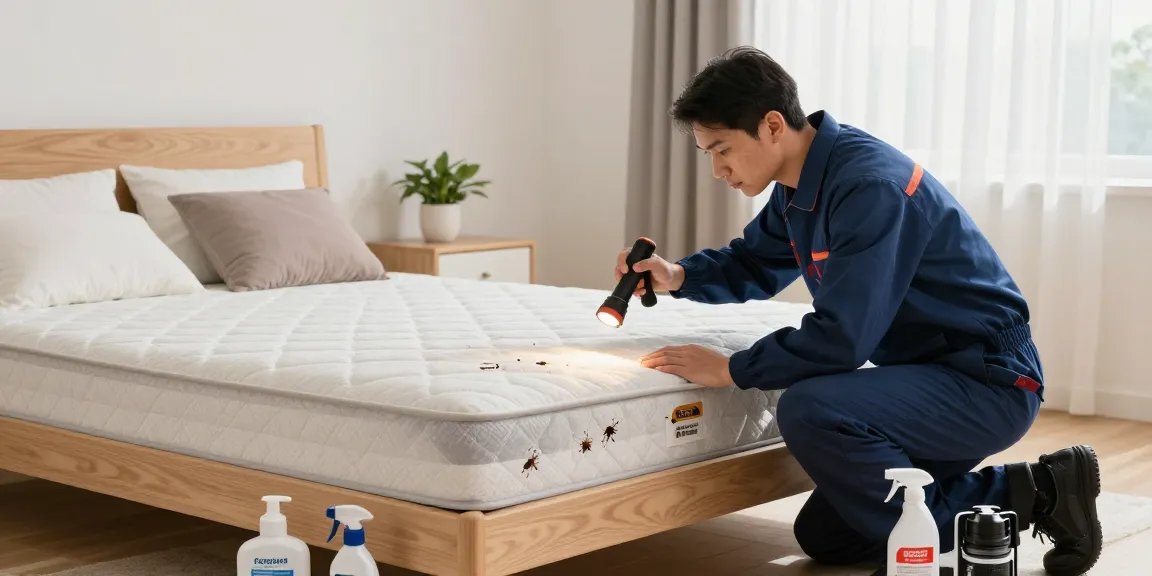
Understanding Bed Bugs: The Basics of Infestation
Bed bugs are notorious pests that can turn your peaceful home into a source of stress and discomfort. These tiny insects, scientifically known as Cimex lectularius, are adept at hiding in plain sight and can easily invade your living spaces, often without you even realizing it. Understanding the nature of bed bugs, their habits, and the threats they pose is vital for effective bed bug control. This guide will delve into the essential aspects of bed bugs, helping you identify an infestation before it escalates.
What are Bed Bugs and Their Habits?
Bed bugs are small, brownish insects that feed on the blood of humans and animals. They are about the size of an apple seed and are known for their flat, oval shape, making it easy for them to hide in cracks and crevices. They are primarily nocturnal, choosing to come out at night to feed, which explains why many people do not realize they have been infested until they notice bites or see the insects themselves.
These pests are excellent hitchhikers, traveling from place to place through luggage, furniture, clothing, and even vehicles. This ability makes them particularly troublesome in densely populated areas, such as hotels, apartments, and dormitories. Once settled, bed bugs can easily reproduce, leading to exponential growth in their population within a short period.
Common Signs of Bed Bug Infestations
Identifying a bed bug infestation early is crucial for effective control. Some common signs include:
- Bed Bug Bites: Small, itchy welts typically found in clusters or lines on the skin.
- Shedding Skins: Bed bugs molt as they grow, leaving behind their exoskeletons.
- Dark Spots: Tiny, dark stains on sheets and mattresses, which are bed bug excrement.
- Blood Stains: Small red stains on bedding, usually from crushed bugs.
- Live Bugs: Spotting bed bugs themselves in seams of mattresses, behind headboards, or in wall cracks.
The Life Cycle of Bed Bugs
Bed bugs undergo a life cycle that includes several stages: egg, nymph, and adult. A female bed bug can lay up to 500 eggs in her lifetime, with each egg taking around 6 to 10 days to hatch. The nymphs will molt and grow into adults within about 5 to 6 weeks, at which point they are capable of reproducing. Understanding this cycle helps in planning effective treatment strategies, as control measures must target not just the adults but all life stages for successful eradication.
Bed Bug Control Methods: Exploring Treatment Options
When it comes to bed bug control, there are various treatment options available, each with its own set of advantages and limitations. Whether you’re looking to take a DIY approach or prefer professional intervention, knowing your options is key to successful management.
Heat Treatment: An Effective Solution
Heat treatment is one of the most effective methods for eradicating bed bugs. This technique involves raising the temperature of the infested area to a level that is lethal to bed bugs and their eggs. Temperatures above 120°F (49°C) are generally effective; however, professional exterminators use specialized equipment to ensure even coverage and prevent damage to belongings.
Not only does heat treatment kill all life stages of bed bugs in a single visit, but it is also environmentally friendly. Additionally, it helps eliminate other allergens such as dust mites, providing a dual benefit for those suffering from allergies or asthma.
Chemical Treatments: When and How to Use Them
Chemical treatments remain a popular and effective option for many pest control professionals. These insecticides are designed to kill bed bugs on contact or through ingestion. Some products even provide a residual barrier to protect against future infestations. It’s important to note, however, that effective application often requires preparation from the homeowner, such as washing bedding and decluttering the affected area.
While chemical treatments can be effective, they may not be suitable for everyone, particularly those with allergies or sensitivities. Always consult with pest control experts to select the best approach for your situation.
DIY Bed Bug Control Techniques for Homeowners
For homeowners willing to tackle the problem themselves, there are several DIY strategies available. These methods include thorough cleaning, vacuuming, and using steam cleaners in infested areas. However, it’s crucial to note that DIY options often have limitations and may not fully eliminate an infestation. For instance, using non-toxic sprays may kill visible bugs but often fails to reach those hidden in cracks and crevices.
In many cases, a combination of DIY methods and professional treatment provides the best results. If you suspect an infestation, it’s recommended to seek a professional evaluation to determine the extent of the problem.
Prevention Strategies: Keeping Bed Bugs at Bay
Preventing bed bugs from entering your home is as important as controlling an active infestation. Adopting proactive strategies can significantly reduce your risk of encountering these pests.
Best Practices for Home Inspections
Regular inspections can help catch bed bugs before they become a larger problem. Check for signs of bed bugs in your home, especially in bedrooms, hotel stays, and secondhand furniture purchases. When you return home from travel, unpack your luggage in a designated area away from your bed, and inspect all items thoroughly.
How to Avoid Bringing Bed Bugs Home
To minimize the risk of introducing bed bugs into your home, consider these tips:
- Always inspect hotel rooms for signs of bed bugs before settling in.
- Keep luggage off the floor and bed when staying away from home.
- Avoid purchasing used furniture without thoroughly inspecting it first.
Regular Monitoring and Maintenance Tips
Establishing a regular maintenance routine for your home can prevent infestations from gaining a foothold. This includes cleaning your home regularly, particularly the bedroom area, and reducing clutter where bed bugs can hide. Additionally, sealing up potential entry points, like cracks and crevices, can further deter these pests from invading.
Choosing Professional Bed Bug Control Services
When faced with an infestation, hiring a professional exterminator can provide peace of mind and effective results. However, it’s essential to choose the right service provider to ensure you receive comprehensive treatment.
What to Look for in a Bed Bug Exterminator
When selecting a bed bug exterminator, consider the following factors:
- Experience: Look for companies with a proven track record in bed bug elimination.
- Methods Used: Inquire about the types of treatments they offer, such as heat or chemical options.
- Client Reviews: Check online reviews and testimonials from previous customers to gauge satisfaction.
Understanding Service Costs and Value
Cost can be a significant factor when choosing a pest control service. While it may be tempting to select the cheapest option, consider the value of the service provided. A slightly higher price for a reputable company may save you money in the long run by effectively eliminating the pest and preventing future infestations.
Questions to Ask Before Hiring a Professional
Before hiring an exterminator, ask critical questions to ensure you’re making an informed decision:
- What methods do you use for bed bug control?
- Can you provide references from past clients?
- What guarantees or warranties do you offer?
Future Trends in Bed Bug Control and Prevention
The pest control industry is evolving with new technologies and methodologies that aim to improve the efficacy of bed bug management. Understanding these trends can help you stay ahead of potential infestations.
Emerging Technologies in Pest Control
Innovations in pest control technologies, such as thermal imaging and automated monitoring systems, are helping professionals detect and treat bed bug infestations more efficiently. These tools enable quicker identification of problem areas and reduce reliance on chemicals.
Behavioral Insights Leading to Better Control Solutions
Recent studies into bed bug behavior and life cycles have provided valuable insights that can improve control strategies. Understanding their movement patterns and feeding habits helps in developing targeted treatments that are more likely to succeed.
Regulatory Changes Impacting Bed Bug Control Practices
As the awareness of bed bug infestations grows, so too do regulations concerning pest control practices. Staying informed about changes in legislation can ensure that you are compliant and using approved methods for bed bug control.
What are the most effective treatments for bed bugs?
Both heat and chemical treatments are recognized as highly effective methods for controlling bed bug populations. A comprehensive approach that combines these methods often yields the best results.
How can I identify a bed bug infestation?
Look for signs such as bites, shed skins, and dark spots on bedding or furniture. Regular inspections can help catch infestations early.
Are there eco-friendly bed bug control options?
Yes, heat treatments are one of the most eco-friendly options available, as they do not use chemicals and can effectively eliminate bed bugs in all life stages.
How often should I have my home inspected for bed bugs?
Routine inspections are recommended at least once a year, or immediately following travel or purchases of used furniture.
What should I do if I travel and suspect I have bed bugs?
Check your luggage and clothing for signs of bed bugs immediately upon returning home, and wash all items in hot water to eliminate any pests.