
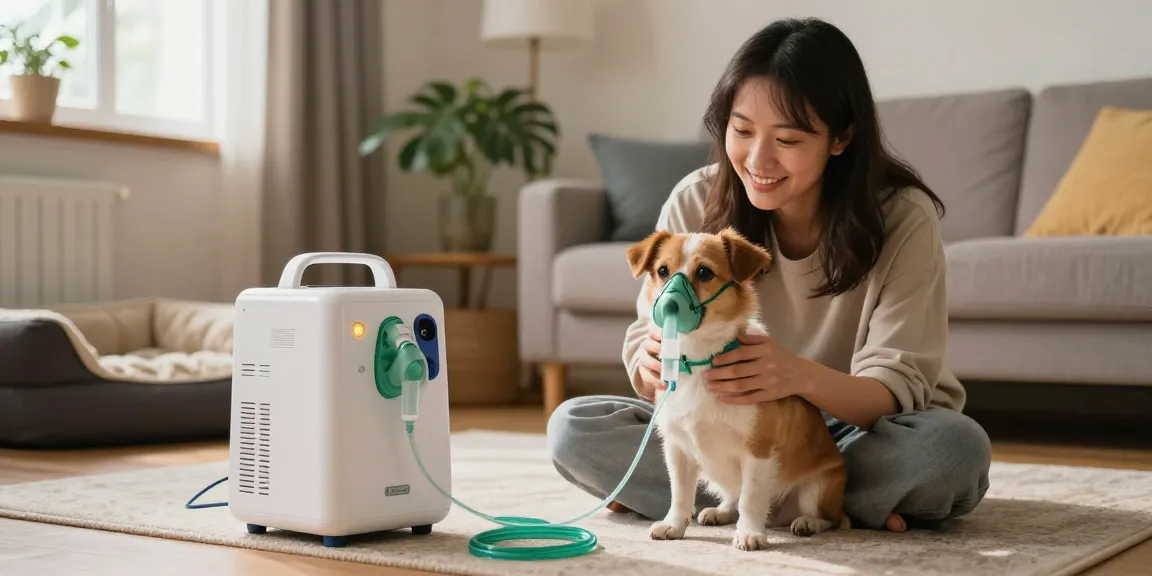
Understanding Oxygen Therapy for Pets
As pet owners, the health and well-being of our furry companions often take precedence. Among the various treatments available, oxygen therapy has emerged as a vital option for pets suffering from respiratory issues. This therapy not only improves the quality of life for pets with pre-existing conditions but can also be a crucial intervention in emergency situations. If you’re considering oxygen therapy as an option for your pet, understanding its benefits, the conditions it addresses, and how to implement it effectively is essential. When exploring options, https://www.petair.hk/ provides comprehensive insights into rental and purchase programs, ensuring your pet receives the best care possible.
What is Oxygen Therapy?
Oxygen therapy is a medical treatment that delivers supplemental oxygen to pets who are unable to breathe adequately on their own. It helps to increase the oxygen saturation in the blood, allowing for improved organ function and overall wellness. Administered through various devices, oxygen therapy can be tailored to the needs of different pets, whether they are suffering from chronic conditions or experiencing acute distress.
Benefits of Using Oxygen Therapy
- Improved Oxygenation: Enhances the amount of oxygen available to the body, crucial for pets with respiratory ailments.
- Increased Energy Levels: Pets often show improved energy and activity levels post-treatment as their bodies receive the oxygen they need.
- Enhanced Healing: Supplemental oxygen can promote faster recovery from surgeries or injuries.
- Comfort During Treatment: Provides relief for pets that are experiencing severe breathing difficulties, making them more comfortable during their recuperation.
Common Conditions Treated with Oxygen Therapy
Oxygen therapy is effective for various conditions, including:
- Pneumonia: Inflammation and fluid accumulation in the lungs.
- Heart Disease: Conditions that inhibit heart performance can lead to inadequate oxygen supply.
- Asthma: Chronic inflammatory disease that restricts airflow.
- Bronchitis: Inflammation of the bronchial tubes, often leading to difficulty breathing.
- Trauma and Surgery Recovery: Pets recovering from trauma or surgical procedures may benefit from improved oxygenation.
Choosing the Right Equipment
Selecting the appropriate equipment for oxygen therapy is crucial to addressing your pet’s specific needs. Several options are available, each designed to enhance the delivery of oxygen effectively.
Types of Oxygen Machines Available
The two primary types of oxygen machines include:
- Home Oxygen Concentrators: These are stationary units designed for continuous use at home, ideal for pets with chronic conditions requiring long-term therapy.
- Portable Oxygen Concentrators: Lightweight machines perfect for travel and on-the-go situations, allowing pet owners to provide oxygen therapy wherever it’s needed.
Essential Accessories for Oxygen Therapy
In addition to the oxygen machine itself, several essential accessories can enhance therapy effectiveness:
- Oxygen Masks: Specially designed to fit the pet’s face, these masks ensure a proper fit for effective oxygen delivery.
- Nasal Cannulas: Used for pets who may be more comfortable with a less invasive form of oxygen therapy.
- Oxygen Hoses: Available in various lengths to connect the machine to the delivery device comfortably.
- Oxygen Chambers: Enclosed environments that provide a controlled oxygen-rich atmosphere, especially beneficial for anxious pets.
How to Select the Best Plan at https://www.petair.hk/
At https://www.petair.hk/, pet owners can explore flexible rental plans tailored to their financial and therapeutic needs. Options include:
- Monthly Rentals: Ideal for ongoing oxygen therapy needs.
- Trial Periods: Short-term plans that allow owners to assess their pet’s response before committing long-term.
Setting Up the Therapy Environment
Creating a conducive environment for oxygen therapy is vital for both effectiveness and your pet’s comfort. You can enhance therapy outcomes by focusing on setting and safety.
Preparing Your Home for Oxygen Therapy
Start by designating a quiet, comfortable space for therapy sessions. Ensure it’s free from drafts and noise, allowing your pet to relax while receiving treatment.
Safety Considerations and Best Practices
Oxygen therapy involves certain safety precautions:
- Keep away from heat sources: Maintain distance from flames or heat-producing appliances to prevent fire hazards.
- Avoid smoking: Do not smoke near the oxygen equipment to eliminate fire risks.
- Regular inspections: Check hoses and connections for leaks or damage regularly.
Creating a Comforting Atmosphere for Your Pet
To make the experience as pleasant as possible for your pet, consider the following:
- Familiar Items: Include a favorite blanket or toy in the therapy area to provide comfort.
- Calm Environment: Use soothing music or sounds to create a tranquil atmosphere.
- Positive Reinforcement: Use treats or gentle praise to help your pet associate the therapy with positive experiences.
Administering Oxygen Therapy
Properly administering oxygen therapy is essential to optimize benefits. Follow a structured approach to ensure effectiveness.
Step-by-Step Guide to Administering Treatment
- Prepare the Equipment: Ensure all parts are connected and functioning properly before use.
- Introduce Your Pet to the Equipment: Allow your pet to familiarize themselves with the equipment without immediately applying oxygen.
- Administer Oxygen: Gently fit the mask or cannula, ensuring a snug but comfortable fit.
- Monitor Response: Watch for any signs of discomfort; adjust the equipment as needed.
Monitoring Your Pet’s Response to Therapy
Pay attention to your pet during therapy. Look for positive signs such as improved breathing, increased activity levels, and relaxed demeanor. If your pet shows signs of distress, consider adjusting the equipment or consulting a veterinarian.
Adjusting Equipment as Needed for Comfort
Each pet is unique. Regularly assess the fit of masks or cables and adjust them to ensure maximum comfort without compromising oxygen delivery. Be patient and allow your pet to acclimate to the equipment gradually.
Frequently Asked Questions about Pet Oxygen Therapy
How often should oxygen therapy be administered?
The frequency of therapy largely depends on the condition being treated. Consult with your veterinarian to determine an appropriate schedule tailored to your pet’s needs.
What payment methods are accepted at https://www.petair.hk/?
PetAir offers a variety of convenient payment methods, ensuring pet owners can choose what works best for them. Accepted payment options include cash, credit cards, and bank transfers.
Can I cancel my oxygen therapy rental plan?
Yes, PetAir provides flexibility in their rental terms. With proper notice, you can cancel your plan, and the equipment will be collected free of charge.
What should I do if my pet shows adverse reactions?
If your pet exhibits any negative reactions during treatment, such as increased distress or respiratory difficulties, discontinue use immediately and consult your veterinarian for guidance.
How do I maintain the oxygen equipment?
Regular maintenance is crucial for safety and effectiveness. Clean the equipment as recommended, and routinely check for any malfunctions or wear on hoses and masks, ensuring the equipment remains in good condition.