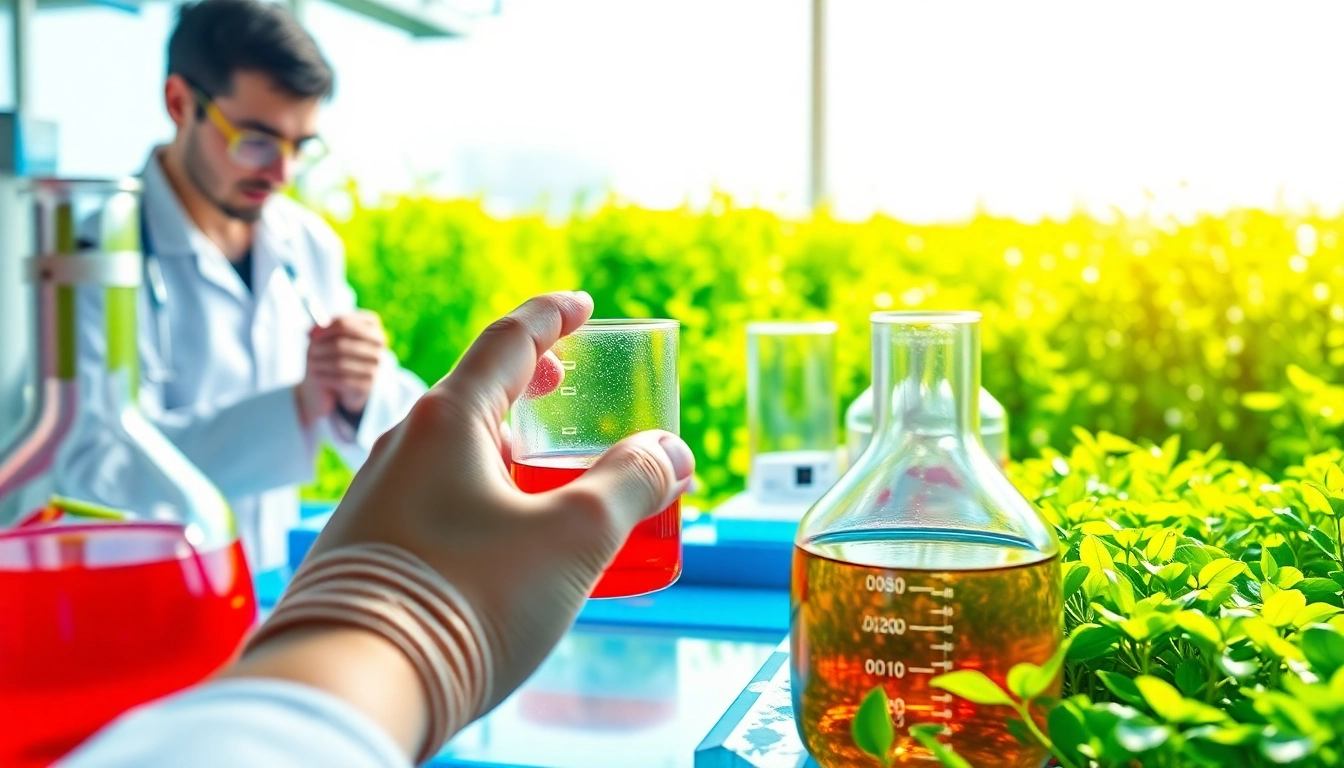
Understanding Astaxanthin
What is Astaxanthin?
Astaxanthin is a powerful carotenoid pigment known for its vibrant red and orange hues, primarily found in marine organisms such as shrimp, salmon, and certain algae. This natural compound is famed for its strong antioxidant properties, which may contribute to a variety of health benefits, making it a popular supplement in the health and wellness industries. Astaxanthin is distinguished from other antioxidants due to its unique molecular structure, enabling its exceptional ability to combat oxidative stress within the body.
Health Benefits of Astaxanthin
Research indicates that astaxanthin offers a multitude of health benefits. Primarily, it enhances eye health, supports skin elasticity, and reduces inflammation. Some studies suggest that astaxanthin can improve endurance and muscle recovery in athletes, making it a valuable addition to sports nutrition. Furthermore, its anti-inflammatory effects could have implications for chronic diseases related to oxidative stress, like heart disease and diabetes.
The Role of Algae in Astaxanthin Production
Algae serve as the primary source for commercial astaxanthin production, notably the microalgae Haematococcus pluvialis. This microalga can accumulate astaxanthin in stressful environmental conditions, such as high light intensity and nutrient deprivation, which acts as a protective mechanism. The harvesting of these algae not only provides a sustainable way to produce astaxanthin but also supports ecological balance.
How is Astaxanthin Produced?
The Algae Cultivation Process
To understand how is astaxanthin produced, it's essential to delve into the algae cultivation process. The growth of Haematococcus pluvialis typically occurs in controlled photobioreactors or open ponds under optimal temperature and light conditions. Cultivators monitor key factors like pH, salinity, and nutrient levels to maximize yield and quality. The algae undergo a series of growth phases—initially thriving in nutrient-rich environments, then transitioning to stress conditions that trigger astaxanthin synthesis.
Harvesting and Extraction Methods
Once the algae have reached sufficient levels of astaxanthin, they undergo harvesting, which can be done using centrifugation or filtration techniques. Following this, the extraction process typically involves the use of solvents or supercritical CO2 extraction methods, which efficiently isolate the pigment while maintaining its bioactive properties. The choice between these methods depends on factors like cost, efficiency, and the desired purity of the final product.
Quality Control Measures
Quality control is a crucial aspect of astaxanthin production. It entails rigorous testing for contaminants and ensuring the potency of astaxanthin in the final product. Standard operating procedures (SOPs) are implemented for each stage, from cultivation to extraction and packaging. This diligence ensures that the final astaxanthin product remains safe, effective, and compliant with international regulatory standards.
The Science Behind Astaxanthin Production
Photosynthesis and Astaxanthin Synthesis
The synthesis of astaxanthin in Haematococcus pluvialis is intimately linked to the process of photosynthesis. Through phototropic adaptation, the microalgae convert light energy into chemical energy, leading to the formation of astaxanthin under specific stress conditions. This adaptive mechanism is vital, ensuring that the algae can thrive while accumulating high levels of astaxanthin for protection against environmental stresses.
Environmental Factors Affecting Production
Numerous environmental factors influence the efficiency of astaxanthin production in microalgae. Light intensity, temperature, saline conditions, and nutrient availability must be carefully regulated to ensure optimal growth. Stress is particularly beneficial as it triggers the production of astaxanthin; however, excessive stress may hinder growth. Therefore, cultivators must strike a balance to maximize yields without compromising quality.
Innovations in Algae Farming Technologies
Recent advancements in algae farming technologies are reshaping astaxanthin production. Innovations such as automated monitoring systems, advanced bioreactor designs, and genetically engineered strains of microalgae show promise in increasing both yield and efficiency. These technologies not only optimize production processes but also reduce the environmental impact of algae farming, making astaxanthin a greener supplement option.
Applications of Astaxanthin
Use in Dietary Supplements
Astaxanthin is commonly marketed as a dietary supplement due to its potential health benefits. Available in capsules, softgels, and powders, it has gained popularity among health enthusiasts aiming to improve their antioxidant intake. Studies continue to explore its efficacy in reducing oxidative damage and supporting overall health, representing a growing market for natural supplements.
Applications in Cosmetics
The cosmetic industry has embraced astaxanthin for its skin health benefits, integrating it into skincare products thanks to its antioxidant and anti-inflammatory effects. Formulations that include astaxanthin claim to enhance skin hydration, reduce visible signs of aging, and provide protection against UV damage, thus appeal to consumers seeking natural alternatives to traditional skincare ingredients.
Food Industry Incorporation
Beyond supplements and cosmetics, astaxanthin is finding its way into the food industry. It is used as a natural colorant in various food products, enhancing both visual appeal and nutritional value. As consumers become more health-conscious and seek natural ingredients, the demand for astaxanthin as a food additive is anticipated to increase, encouraging its use in health-oriented product lines.
Future of Astaxanthin Production
Sustainable Practices in Production
The future of astaxanthin production is poised to pivot towards sustainable practices as environmental concerns continue to rise. Utilizing renewable energy sources, reducing water consumption in algal farms, and optimizing raw materials are practices gaining traction. Cultivators are exploring closed-loop systems to recycle nutrients and minimize waste, ensuring that astaxanthin production supports ecological sustainability.
Market Trends and Consumer Demand
As consumer awareness of health and wellness grows, so too does the demand for natural products like astaxanthin. Industry trends indicate an increasing preference for plant-based and sustainably-sourced supplements, which positions astaxanthin favorably in the market. Additionally, ongoing research into its health benefits is likely to expand its applications, attracting a broader customer base.
Regulatory Landscape and Challenges
The regulation of astaxanthin products varies across regions, presenting challenges in compliance for manufacturers. Navigating this regulatory landscape requires a thorough understanding of local laws regarding health supplements and food additives. As market demand increases, it's crucial for producers to align their practices with regulatory guidelines to ensure product safety and efficacy, thus building consumer trust.
Frequently Asked Questions
What is astaxanthin sourced from?
Astaxanthin is primarily derived from the microalgae Haematococcus pluvialis, which synthesizes this compound under stress conditions.
What are the main benefits of astaxanthin?
Astaxanthin provides numerous health benefits, including enhanced eye health, skin protection, anti-inflammatory effects, and improved sports performance.
How is astaxanthin extracted?
The extraction of astaxanthin typically involves methods such as supercritical CO2 extraction or solvent extraction to isolate the pigment while maintaining its potency.
Is astaxanthin safe to consume?
Astaxanthin is generally considered safe for consumption at recommended dosages. However, individuals should consult a healthcare professional before starting any supplement.
Can astaxanthin be used in cosmetics?
Yes, astaxanthin is used in various cosmetic formulations due to its antioxidant properties and potential benefits for skin health.