Understanding Astaxanthin: The Super Antioxidant
Astaxanthin, a powerful carotenoid, has emerged as a popular supplement due to its remarkable antioxidant properties. Known for its vibrant red pigment, astaxanthin is found in various natural sources and is linked to numerous health benefits. With increasing interest in health and wellness, particularly among those seeking to enhance physical performance, skin health, and overall vitality, understanding astaxanthin’s properties and applications has never been more essential. When exploring options, astaxanthin provides comprehensive insights into how this super antioxidant can support a healthy lifestyle.
What is Astaxanthin and Where Does It Come From?
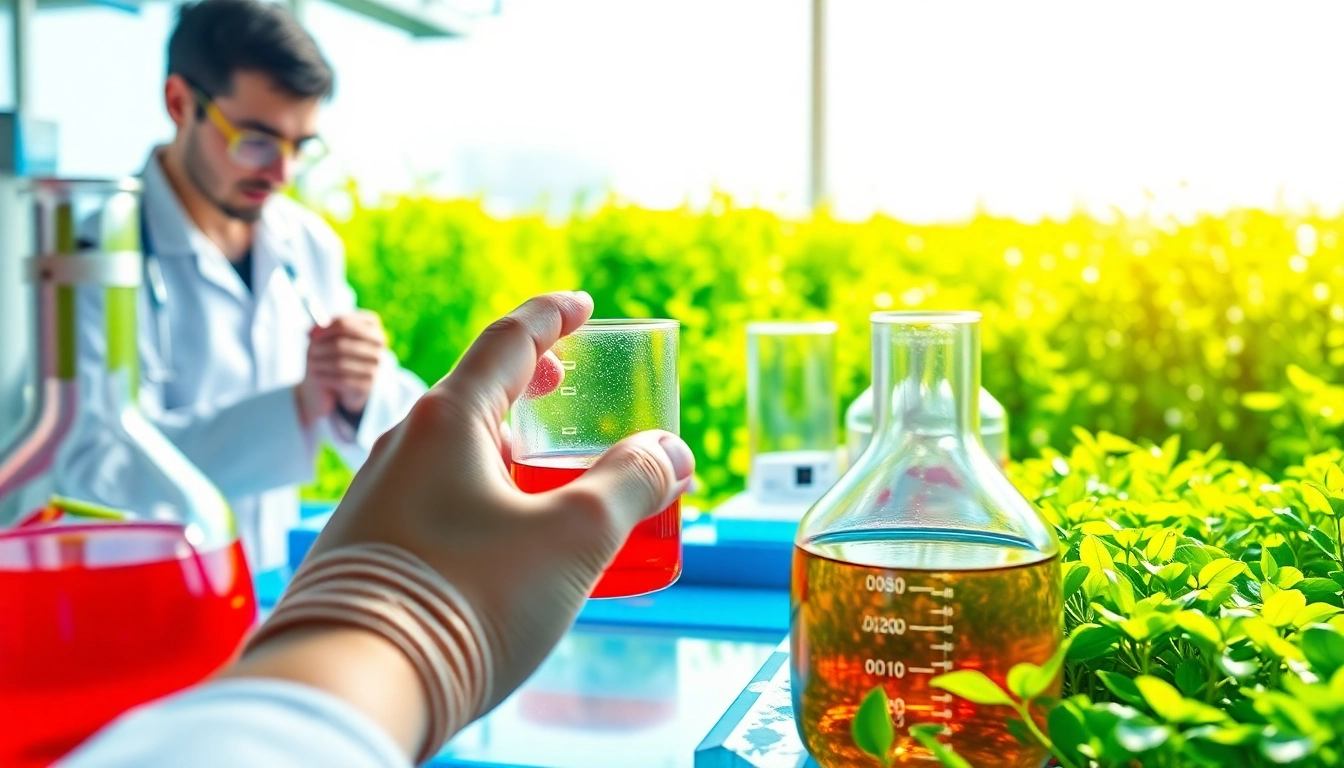
Astaxanthin is a naturally occurring carotenoid that belongs to the xanthophyll family. It is primarily derived from microalgae, particularly Haematococcus pluvialis, which is recognized for its high astaxanthin content. This compound is also found in various seafood, including shrimp, salmon, and krill, contributing to the pink and red pigmentation of these organisms. As a potent antioxidant, astaxanthin plays a crucial role in protecting cells from oxidative stress and reducing inflammation.
Benefits of Astaxanthin for Health and Wellness
The health benefits of astaxanthin are extensive. Research has suggested that it may enhance immune function, support cardiovascular health, and improve skin quality. Its antioxidant capacity is reported to be up to 6000 times stronger than vitamin C, which positions astaxanthin as a formidable ally in combating free radical damage. Moreover, it promotes eye health by reducing the risk of macular degeneration and improving visual acuity.
Common Sources of Astaxanthin in Diet
To incorporate astaxanthin into your diet, consider including the following sources:
- Salmon: Wild-caught salmon is one of the richest dietary sources of astaxanthin.
- Shrimp: This seafood is not only delicious but also a great provider of astaxanthin.
- Kril Oil: Derived from krill, this oil is a highly bioavailable form of astaxanthin.
- Microalgae Supplements: Algal oil supplements offer a plant-based source of this antioxidant.
Astaxanthin and Its Impact on Physical Performance
In the realm of sports nutrition, astaxanthin has gained attention for its potential to enhance endurance and recovery. Athletes and fitness enthusiasts are increasingly turning to this compound as a means to boost performance and maintain optimal health.
How Astaxanthin Enhances Endurance and Recovery
Research indicates that astaxanthin may improve recovery times by reducing muscle soreness and inflammation after intense workouts. Studies have shown that supplementation with astaxanthin can lead to lower levels of muscle damage markers, allowing athletes to train more effectively. Furthermore, it is believed to improve oxygen utilization during exercise, which can enhance overall endurance.
Using Astaxanthin in Sports Nutrition
When integrating astaxanthin into a sports nutrition regimen, it can be found in various supplement forms, including capsules and powders. It's recommended that athletes consume astaxanthin daily to maximize its effects. Understanding appropriate dosages and timings, especially around training sessions, can further optimize performance outcomes.
Real-Life Success Stories of Athletes Using Astaxanthin
Anecdotal evidence from athletes who have utilized astaxanthin suggests significant improvements in their performance and recovery. For instance, endurance runners have reported faster recovery times and less muscle fatigue after incorporating astaxanthin into their diets. Elite athletes in sports like cycling and swimming have also noted increased stamina during competitions.
Astaxanthin in Skin Care: A Natural Solution
The beauty and wellness industry has witnessed a surge in interest surrounding astaxanthin due to its skin health benefits. As a natural antioxidant, it offers unique properties that contribute to a youthful appearance.
Benefits of Astaxanthin for Skin Health
Astaxanthin is known to enhance skin elasticity, hydration, and overall texture. It combats common skin issues such as UV damage and hyperpigmentation. Additionally, studies have suggested that it may help improve skin moisture content and reduce the appearance of fine lines and wrinkles.
Top Astaxanthin Products for Skincare
For those interested in skin benefits, numerous skincare brands now offer astaxanthin-infused products. These include:
- Serums: Concentrated formulations that deliver powerful antioxidants directly to the skin.
- Moisturizers: Hydrating products that incorporate astaxanthin to enhance skin vitality.
- Sunscreens: Formulas that combine sun protection with antioxidant benefits to defend against UV damage.
Scientific Research Supporting Astaxanthin's Skin Benefits
Scientific studies have consistently demonstrated the skin-protective qualities of astaxanthin. Research has indicated that topical application may significantly reduce skin damage caused by UV exposure, promoting healing and restoring skin integrity.
Integrating Astaxanthin into Your Daily Routine
Bringing astaxanthin into your daily health routine can be a straightforward process. By understanding the best practices and recommended dosages, individuals can optimize their intake effectively.
Best Practices for Supplementing Astaxanthin
Astaxanthin supplements are typically available in both softgel capsules and liquid forms. The general recommendation for dietary supplementation ranges from 4 to 12 mg per day, depending on individual health goals and specific needs. It's best taken with meals to enhance absorption.
Astaxanthin Recipes for Healthy Living
Incorporating natural sources of astaxanthin into your diet can also be delicious. Consider the following recipes:
- Salmon Salad: Combine grilled salmon with a variety of greens for a nutrient-packed meal.
- Shrimp Stir-Fry: Quick and easy, sauté shrimp with colorful vegetables and serve over brown rice.
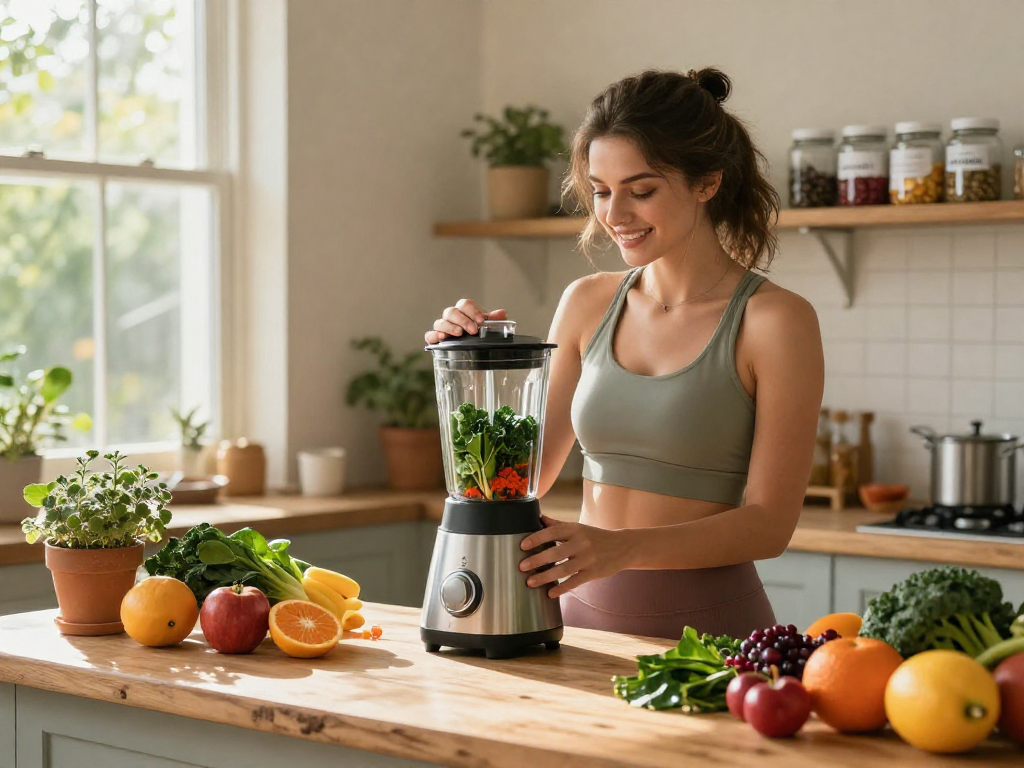
- Algal Oil Smoothies: Add algal oil to your morning smoothie for a nutritious boost.
Potential Side Effects and Considerations
While astaxanthin is generally regarded as safe, some individuals may experience mild side effects, such as stomach upset or changes in skin pigmentation. Consulting with a healthcare provider before beginning supplementation is advisable, particularly for those with underlying health conditions or who are pregnant or breastfeeding.
The Future of Astaxanthin in Health Trends and Research
As research continues to unfold, astaxanthin is poised to remain at the forefront of health and wellness discussions, with new findings supporting its wide array of benefits.
Emerging Research on Astaxanthin's Benefits
Recent studies have begun to explore astaxanthin’s potential in supporting brain health and cognitive function, with preliminary results indicating promising effects on neuroprotection. This aspect of astaxanthin is particularly intriguing as the population ages and cognitive-related health issues become more prevalent.
Predicted Trends for Astaxanthin in 2026 and Beyond
The market for astaxanthin supplements is expected to expand dramatically, driven by growing consumer awareness and demand for natural health products. Innovations in delivery systems and formulation will likely enhance the bioavailability of astaxanthin in dietary products.
Expert Insights: The Next Big Developments in Astaxanthin Research
Experts anticipate significant advances in the understanding of astaxanthin’s role in inflammation management and chronic disease prevention. Continued research may lead to novel applications in dietary and therapeutic settings, making astaxanthin a vital component of future health strategies.