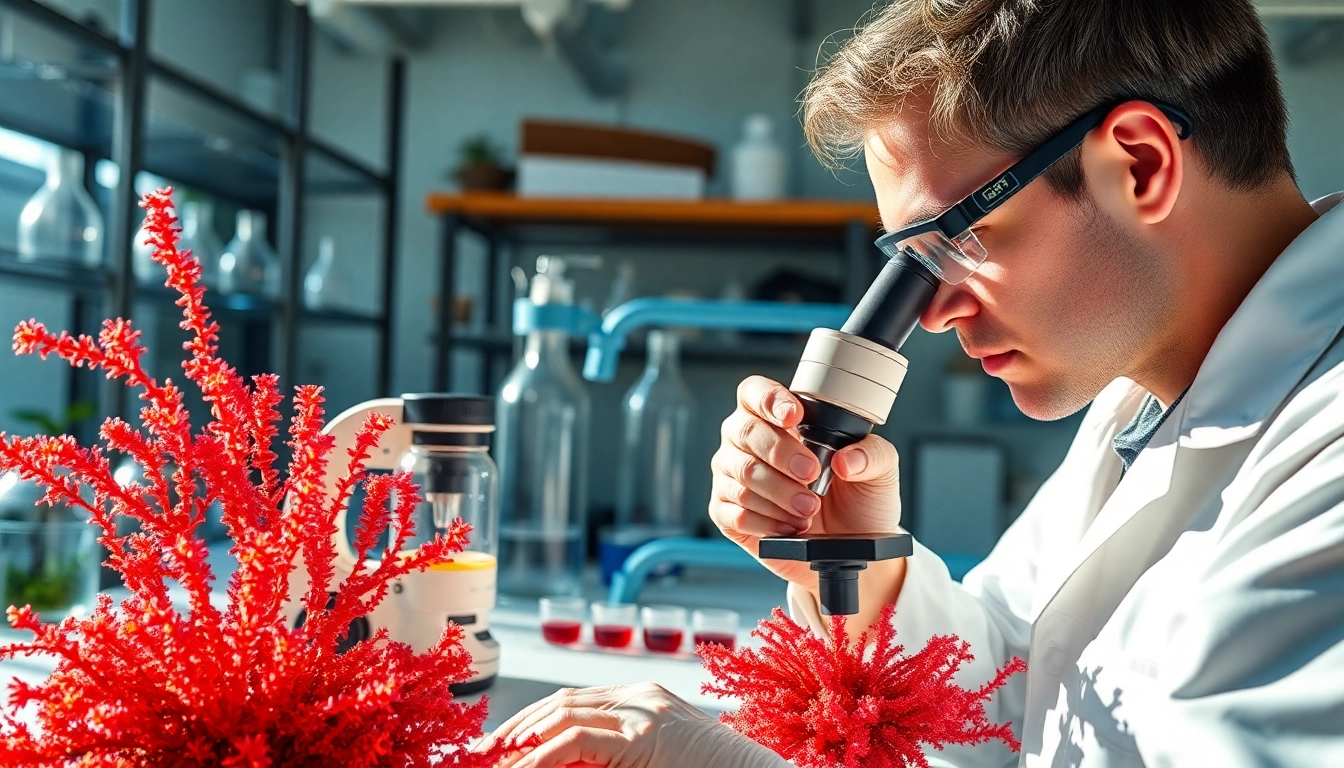
The Science Behind Astaxanthin Production
Astaxanthin, a carotenoid pigment predominantly found in algae, is renowned for its potent antioxidant properties. Increasing attention from researchers and consumers alike has sparked an interest in understanding how is astaxanthin produced and its myriad health benefits. This in-depth article delves into the intricacies of astaxanthin, exploring its sources, cultivation methods, extraction techniques, applications, and the future of its production.
What is Astaxanthin?
Astaxanthin is a red-orange pigment that belongs to the carotenoid family. Unlike other antioxidants, astaxanthin is unique due to its molecular structure, which allows it to traverse cell membranes effectively and scavenge free radicals. This characteristic makes it an appealing choice in supplements and functional foods. Astaxanthin is primarily produced by microalgae, with Haematococcus pluvialis being the most studied source due to its high concentration of the pigment.
Understanding the Natural Sources
In nature, astaxanthin is synthesized predominantly by various species of algae, bacteria, and yeasts. Its vibrant coloration not only provides camouflage but also plays a vital role in the reproductive and developmental stages of these organisms. Wild salmon, shrimp, and crustaceans obtain their distinctive pink hue from their diet, which consists of these algae, further emphasizing the ecological importance of astaxanthin. Additionally, astaxanthin is found in lesser quantities within certain species of planktivorous fish, where it contributes to their overall health and vitality.
Biological Processes in Algae
The production of astaxanthin in algae is influenced by environmental stressors, such as changes in light, temperature, and nutrient availability. When exposed to stress, microalgae initiate a biosynthetic pathway that leads to the accumulation of astaxanthin. This process not only protects the algae from oxidative damage but also enhances their survival in harsh conditions. Understanding this biological mechanism has paved the way for optimizing cultivation methods to enhance astaxanthin yield in commercial production settings.
Methods of Cultivation
Different cultivation techniques are employed to grow astaxanthin-producing algae, each with its advantages and challenges. Factors such as the growth medium, environmental conditions, and scale of production play significant roles in determining the efficiency and yield of astaxanthin.
Types of Cultivation Techniques
Astaxanthin production can be achieved through several cultivation methods, including open ponds, photobioreactors, and fermenters. Open pond systems are the simplest and most cost-effective; however, they are prone to contamination and depend on fluctuating environmental conditions. In contrast, photobioreactors offer a controlled environment, optimizing light exposure and nutrient availability while minimizing contamination risks.
Optimizing Growth Conditions
Optimizing growth conditions is crucial for maximizing astaxanthin yields. Key factors include light intensity, temperature, and nutrient composition. For instance, high light intensity stimulates astaxanthin production in microalgae, but it needs to be balanced to avoid photoinhibition. Likewise, temperature variations can lead to different metabolic responses, affecting growth rates and pigment accumulation. By carefully monitoring and adjusting these conditions, producers can enhance the efficiency of astaxanthin synthesis.
Harvesting Techniques
Harvesting astaxanthin from algae involves several techniques, including centrifugation, filtration, and flocculation. Centrifugation effectively separates solids from liquids based on density, while filtration can remove unwanted materials without damaging the algae. Flocculation, on the other hand, uses agents to aggregate algal cells, simplifying the collection process. The chosen method can impact the quality and quantity of astaxanthin extracted, making it essential to select techniques that suit the specific strain of algae used.
Extraction of Astaxanthin
Once harvested, it is critical to extract astaxanthin effectively to retain its potent antioxidant properties. Various extraction techniques have been developed, each tailored to different production needs.
Techniques Used in Extraction
The extraction of astaxanthin typically employs solvent extraction, supercritical fluid extraction, and cold-press methods. Solvent extraction remains the most widely used due to its effectiveness; however, it requires careful handling to avoid contaminating the final product. Supercritical fluid extraction utilizes carbon dioxide under high pressure to extract astaxanthin in a more eco-friendly manner, while cold-press techniques are often used in smaller-scale operations.
Solvent and Non-Solvent Methods
Within extraction techniques, solvent methods utilize organic solvents such as hexane or ethanol, while non-solvent methods include supercritical fluid or microwave-assisted extraction. Solvent extraction offers higher yield rates but poses risks of residual solvents in the final product. Non-solvent methods significantly reduce such risks and are gaining popularity due to their safety and efficiency, though they may be more expensive and technically demanding.
Benefits of Natural Extraction
Natural extraction methods preserve the integrity and potency of astaxanthin, ensuring that vitamins and other beneficial compounds remain intact. Consumers are increasingly valuing organic and naturally sourced products for their health benefits and fewer chemical residues. This trend drives producers to adopt cleaner extraction techniques, catering to a market that demands purity alongside efficacy.
Applications of Astaxanthin
Astaxanthin is celebrated not only for its health-boosting properties but also for its applications in diverse sectors, including cosmetics, nutraceuticals, and food products.
Health Benefits and Nutritional Value
Research has demonstrated that astaxanthin possesses anti-inflammatory and antioxidant properties, making it a popular supplement for promoting cardiovascular health, enhancing skin appearance, and supporting eye health. Studies have also suggested that astaxanthin may improve athletic performance by reducing oxidative stress during intense exercise. This potential has increased its adoption in sports and wellness products, catering to health-conscious consumers.
Cosmetic and Nutraceutical Uses
In the cosmetics industry, astaxanthin is often incorporated into skincare products due to its ability to combat aging and protect against UV damage. Its antioxidant properties can help improve skin elasticity and reduce the appearance of fine lines. In nutraceuticals, astaxanthin serves as a key ingredient in dietary supplements focused on overall wellness. Manufacturers often highlight its natural origins as a selling point in their marketing strategies.
Commercial Markets and Trends
The market for astaxanthin continues to grow as awareness of its benefits expands. Key markets include dietary supplements, functional foods, and cosmetics. Innovative companies are developing new formulations that combine astaxanthin with other health-enhancing ingredients, maximizing product offerings for various consumer needs. Trends indicate a shift toward natural, plant-based sources, aligning with consumer preferences for sustainable and health-driven products.
Future of Astaxanthin Production
The future of astaxanthin production looks promising, driven by advances in research and technology aimed at sustainability and efficiency in cultivation and extraction processes.
Innovations in Cultivation
Emerging technologies, such as automated cultivation systems and genetic engineering, are redefining astaxanthin production. By improving growth rates and enhancing pigment accumulation through selective breeding or genetic modification, producers can significantly increase output. Moreover, biotechnological innovations, such as synthetic biology, are paving the way for more sustainable production methods that rely less on traditional agricultural practices.
Research and Development Trends
Current research trends focus on optimizing cultivation techniques, improving extraction methods, and studying the potential health benefits of astaxanthin. Collaborative efforts between academic institutions and industry leaders are essential to push the boundaries of what is known about astaxanthin. As research continues, the development of novel applications and formulations is expected to emerge, catering to evolving consumer needs.
Environmental Impact and Sustainability
The sustainability of astaxanthin production is increasingly under scrutiny as consumers demand eco-friendly products. Algal production has a relatively low environmental footprint, requiring less water and fewer resources than traditional crops. Furthermore, efforts are underway to enhance closed-loop systems in algal farms, reducing waste and promoting circular economies. As demand rises, sustainable practices will play a crucial role in maintaining the ecological balance while ensuring the quality and availability of astaxanthin.
Frequently Asked Questions
What is astaxanthin used for?
Astaxanthin is used for its antioxidant properties, improving skin health, enhancing athletic performance, and promoting eye and heart health.
Is astaxanthin safe to consume?
Yes, astaxanthin is generally considered safe when taken in recommended doses, with few reported side effects.
How can I include astaxanthin in my diet?
You can include astaxanthin through supplements, or by consuming foods such as salmon, shrimp, and various types of algae.
Does astaxanthin have side effects?
Astaxanthin is safe for most people, but potential side effects may include changes in skin color and gastrointestinal disturbances if taken in excessive amounts.
Where does astaxanthin come from?
Astaxanthin is primarily derived from microalgae, especially Haematococcus pluvialis, as well as certain types of bacteria and yeast.