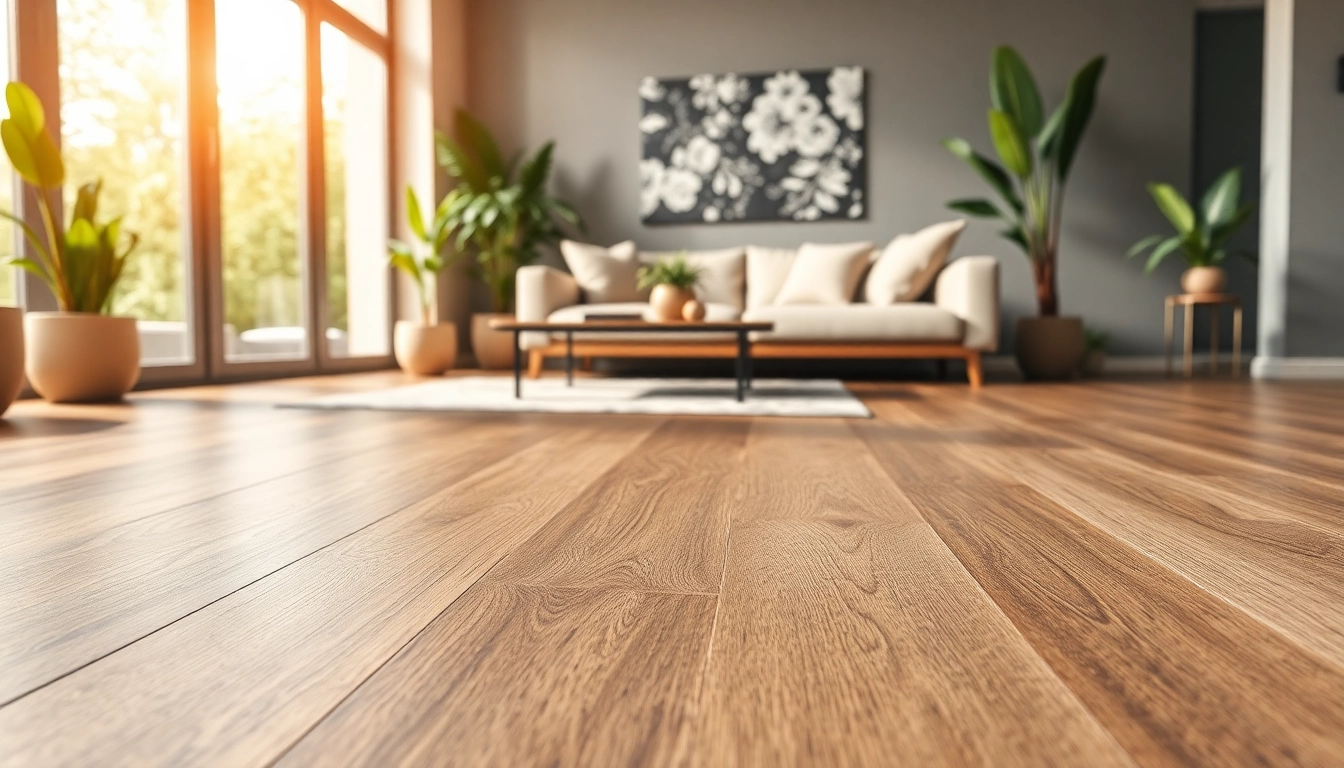
Understanding Vinyl Plank Flooring
What is Vinyl Plank Flooring?
Vinyl plank flooring is a type of resilient flooring made to mimic the look of natural materials, such as hardwood or stone, while offering enhanced durability and affordability. This multi-layer flooring system consists of a backing layer, an inner core layer, a printed design layer that provides the aesthetic appeal, and a protective wear layer that fortifies against scratches, stains, and water. Notably, vinyl plank flooring is celebrated for its practicality and is often chosen for residential and commercial spaces due to its resilience and ease of maintenance.
Benefits of Vinyl Plank Flooring
Choosing vinyl plank flooring brings along multiple advantages that cater to varied preferences and lifestyles:
- Durability: One of the standout features of vinyl plank flooring is its resistance to scratches, dents, and stains, making it ideal for high-traffic areas.
- Water Resistance: Many vinyl plank options are completely waterproof, making them an exceptional choice for kitchens, bathrooms, or basements.
- Comfort Underfoot: Unlike traditional hardwood or tile, vinyl plank flooring provides a softer and warmer touch, enhancing comfort, especially in living spaces.
- Easy Installation: With options such as click-lock systems, homeowners can often install vinyl plank flooring over existing floors without needing glue or nails.
- Aesthetic Variety: The design possibilities are endless, allowing homeowners to select from a vast array of colors, patterns, and textures that can suit any decor style.
Types of Vinyl Plank Flooring
Vinyl plank flooring can be categorized into three primary types:
- Luxury Vinyl Plank (LVP): Often thicker and more resilient, LVP provides exceptional designs, textures, and long-term durability, making it popular among homeowners seeking luxury aesthetics.
- Vinyl Composite Tile (VCT): While primarily found in commercial settings, VCT is a cost-effective and durable option that comes in square tiles rather than planks.
- Rigid Core Vinyl Plank: This variant comes with a strong core that enhances durability and sound insulation, making it perfect for multi-story homes.
Choosing the Right Vinyl Plank Flooring
Factors to Consider
When selecting vinyl plank flooring, several factors should influence your decision:
- Environment: Consider the location where the flooring will be installed. Moisture-prone areas such as bathrooms would benefit from waterproof options.
- Foot Traffic: Assess the expected foot traffic. High-traffic areas require more durable options that resist wear.
- Aesthetic Preferences: Choose colors and patterns that harmonize with your existing decor while reflecting your personal style.
- Budget: Set a budget before exploring options. There are many high-quality choices available at various price points.
Comparing Styles and Colors
Another critical factor in choosing vinyl plank flooring is understanding the styles and colors available:
- Color Palette: Vinyl plank flooring comes in a myriad palette, from light grays and whites to rich browns and blacks, allowing for diverse design schemes.
- Finishes: Glossy finishes can create a luxurious feel, while matte finishes can offer a more rustic vibe. Each finish affects the overall ambiance of the space.
- Patterns: Patterns can vary from classic wood grain to contemporary tile designs, providing visual interest in any room.
- Custom Designs: Some advanced vinyl options allow for custom designs, enabling unique layouts and arrangements that enhance your aesthetic vision.
Finding Quality Brands
Researching quality brands is essential for ensuring the longevity and appearance of your vinyl plank flooring. Look for brands with a solid reputation, positive customer reviews, and comprehensive warranties. It’s also wise to explore product certifications that specify eco-friendliness and low VOC emissions, which ensure a healthier living environment.
Installation Process for Vinyl Plank Flooring
DIY vs. Professional Installation
Deciding whether to install vinyl plank flooring yourself or hire a professional can be influenced by several factors:
- Skill Level: DIY installation can be a rewarding project if you possess basic carpentry skills. However, if the project feels overwhelming, hiring a professional might be prudent.
- Time: Consider how much time you can allocate. DIY installations can take longer without the experience of a trained professional.
- Tools Required: While many vinyl options boast easy installation, certain tools may still be necessary. Professionals will have access to all required tools and equipment.
Step-by-Step Installation Guide
- Prepare the Subfloor: Ensure the subfloor is clean, dry, and level before beginning installation. Any inconsistencies can lead to a poor finish.
- Acclimate Planks: Allow the vinyl planks to acclimate in the room for 48 hours. This helps prevent warping after installation.
- Layout Planning: Strategically plan the layout to minimize waste and ensure visually appealing placement. Use a chalk line to mark guidelines.
- Start Installation: Begin installing planks from the longest wall, placing them snugly against each other. Follow the manufacturer’s guidelines for specific product types.
- Finishing Touches: Once installed, replace baseboards or moldings to achieve a polished look, ensuring that expansion gaps remain intact.
Common Installation Mistakes to Avoid
To ensure a successful installation, be aware of these common mistakes:
- Ignoring Acclimation: Failing to acclimate the planks can lead to expansion or contraction and ultimately damage the flooring.
- Poor Subfloor Preparation: Skipping adequate subfloor preparation is a major mistake that can lead to uneven surfaces over time.
- Neglecting Expansion Gaps: Not leaving sufficient expansion gaps at the walls may cause buckling as temperatures change.
- Misaligned Planks: Installing planks without proper alignment can create a disrupted visual flow and lead to disconnects between boards.
Maintenance and Care for Vinyl Plank Flooring
Daily Cleaning Tips
Maintaining the beauty and integrity of vinyl plank flooring requires proper daily cleaning practices:
- Sweeping or Vacuuming: Daily or weekly sweeping, or vacuuming (without a beater bar) helps prevent dirt from scratching the surface.
- Mopping: Use a damp mop with a gentle cleaner specifically designed for vinyl flooring to keep it clean and hygienic.
- Rug Placement: Place rugs or mats at entryways to reduce dirt transfer into your living spaces.
Dealing with Stains and Spills
For effective stain management and spill response:
- Immediate Action: Address spills immediately with a soft cloth to blot rather than wipe, which can spread the spill.
- Recommended Cleaners: Use a solution of warm water and vinegar for most stains, or consult specific manufacturer recommendations for stubborn spots.
- Frequent Check-Ups: Regularly inspect your vinyl for scratches or damage to catch issues early before they escalate.
Long-term Care Strategies
To prolong the life and aesthetics of your flooring:
- Periodic Deep Cleaning: Consider a deep clean every few months with a professional-grade cleaner designed for vinyl.
- Conditioning the Surface: Experts recommend occasional application of a floor maintenance product to restore shine and protection.
- Furniture Pads: Place furniture pads underneath heavy items to prevent scratches and dents caused by shifting furniture.
Frequently Asked Questions about Vinyl Plank Flooring
What is the lifespan of vinyl plank flooring?
Vinyl plank flooring typically lasts between 10 to 20 years, depending on the quality of the product and maintenance practices.
Can vinyl plank flooring be installed in bathrooms?
Yes, vinyl plank flooring is an excellent choice for bathrooms due to its water-resistant properties, making it ideal for humid environments.
Is vinyl plank flooring eco-friendly?
Many vinyl plank options are designed with eco-friendly materials and low VOC emissions, making them a sustainable choice for flooring.
How do I remove scratches from vinyl plank flooring?
Minor scratches can often be buffed out with a soft cloth. For deeper scratches, consider using a vinyl repair kit for patching.
Can I install vinyl plank flooring over existing flooring?
Yes, vinyl plank flooring can typically be installed over existing flooring, provided it is level, clean, and free from moisture.