
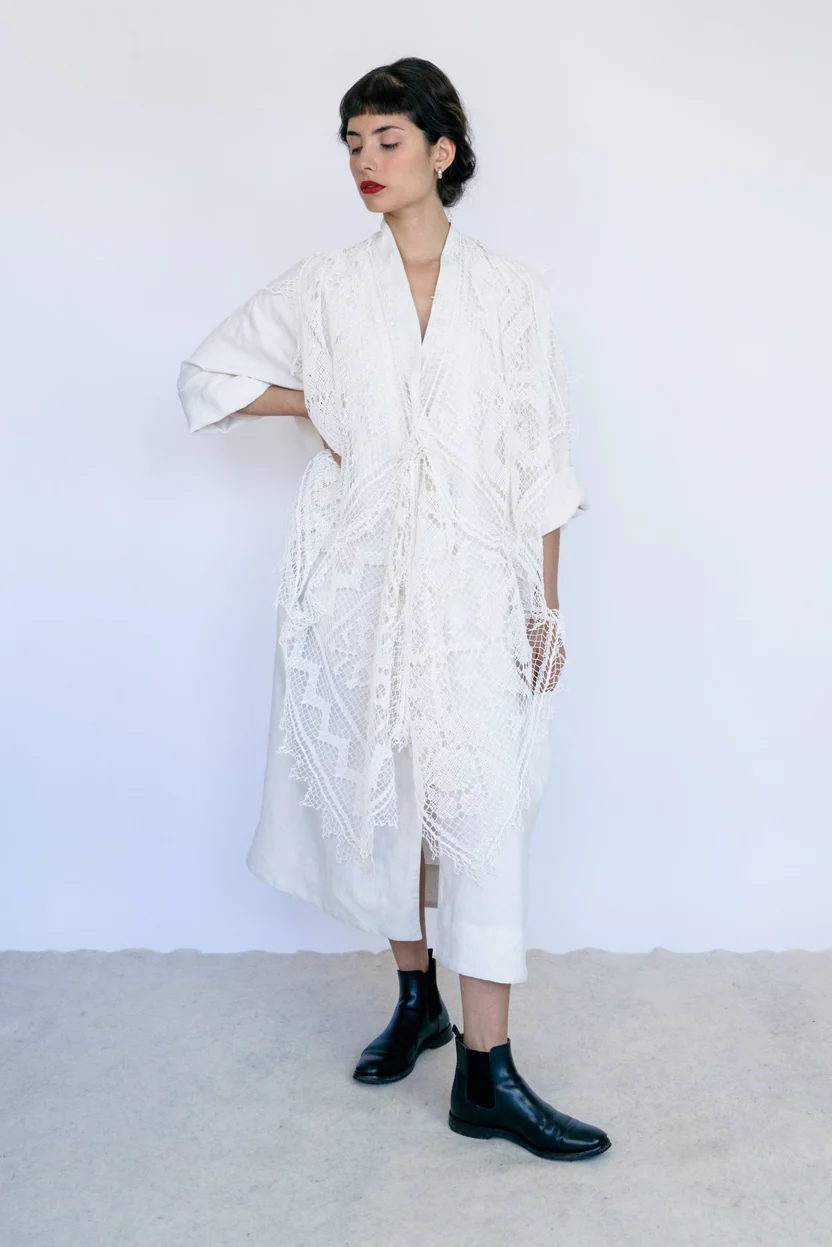
The world of fashion is shifting toward sustainability, and natural dyes are at the heart of this transformation in textile innovation. At natural dyes, we believe in preserving traditional coloring techniques while embracing modern eco-friendly fashion values, and natural dyes continue to inspire designers globally. Many artisans working with natural dyes create unique, earthy tones that reflect nature’s beauty, and natural dyes are becoming essential in sustainable wardrobes. With rising awareness of environmental impact, natural dyes offer a meaningful alternative to synthetic coloring methods in clothing production.
- What Are Natural Dyes in Clothing
- History and Cultural Significance of Natural Dyes
- Benefits of Natural Dyes in Modern Fashion
- The Natural Dyeing Process in Textile Production
- Styling and Market Trends of Natural Dyes
- Care Tips for Clothing Dyed with Natural Dyes
- The Future of Natural Dyes in Fashion Industry
- Frequently Asked Questions (FAQs)
What Are Natural Dyes in Clothing
Natural dyes are colorants derived from plants, minerals, and natural sources used to dye fabrics in an eco-friendly way. These dyes have been used for centuries in traditional textile industries across different cultures. At natural dyes, we focus on reviving these ancient methods with a modern sustainable approach. Natural dyes produce soft, organic shades that are gentle on fabrics and skin, making them a preferred choice in ethical fashion.
History and Cultural Significance of Natural Dyes
Natural dyes have a rich history dating back thousands of years, used in ancient civilizations for coloring textiles and garments. From indigo in Asia to madder root in Europe, these dyes shaped cultural identity and trade routes. At natural dyes, we celebrate this heritage by promoting awareness of traditional dyeing practices. Natural dyes continue to represent craftsmanship, culture, and artistic expression in modern sustainable fashion.
Benefits of Natural Dyes in Modern Fashion
Natural dyes offer numerous benefits including environmental sustainability, reduced chemical pollution, and safer textile production. At natural dyes, we emphasize how natural dyes contribute to slow fashion and responsible consumption. Clothing dyed with natural dyes often has a unique aesthetic appeal due to subtle variations in shade. These benefits make natural dyes a cornerstone of eco-conscious fashion movements.
Eco-Friendly Advantages of Natural Dyes
Natural dyes significantly reduce water pollution and chemical waste compared to synthetic alternatives. They are biodegradable and derived from renewable resources such as plants and flowers. At natural dyes, we encourage eco-friendly production systems that support long-term environmental health. Natural dyes help reduce the fashion industry’s carbon footprint while promoting greener manufacturing practices.
Skin-Friendly Textile Properties
Clothing colored with natural dyes is often gentler on sensitive skin because it avoids harsh chemicals and toxins. Natural dyes reduce the risk of allergies and irritation, making them suitable for everyday wear. At natural dyes, we prioritize safe and non-toxic dyeing processes for better comfort. This makes natural dyes an excellent choice for children’s clothing and sensitive skin users.
The Natural Dyeing Process in Textile Production
The process of creating natural dyes involves extracting pigments from natural sources such as roots, leaves, and flowers. These pigments are then processed and applied to fabrics using traditional dyeing techniques. At natural dyes, we integrate both traditional craftsmanship and modern innovation to achieve high-quality results. Natural dyes require careful preparation to ensure long-lasting and vibrant color outcomes.
Plant-Based Extraction Methods
Plant-based extraction is one of the most common methods used to produce natural dyes from leaves, bark, and flowers. These natural materials are boiled or fermented to release pigments used in fabric dyeing. At natural dyes, we support sustainable harvesting practices to maintain ecological balance. Natural dyes created from plants provide a wide range of earthy and soft tones.
Fabric Preparation and Color Fixation
Before dyeing, fabrics must be cleaned and treated to ensure proper absorption of natural dyes. Mordants such as alum or natural minerals help fix the color and improve durability. At natural dyes, we focus on safe and eco-conscious fixation methods. This ensures that natural dyes remain vibrant and long-lasting on various textile types.
Styling and Market Trends of Natural Dyes
Natural dyes are increasingly influencing modern fashion trends, especially in sustainable and handmade dresses markets. Designers are incorporating natural dyes into minimalist and bohemian styles for unique visual appeal. At natural dyes, we observe growing demand for eco-conscious fashion among younger consumers. Natural dyes are now seen as a symbol of authenticity and environmental responsibility.
Sustainable Fashion Trends with Natural Dyes
Sustainable fashion brands are embracing natural dyes to align with eco-friendly production values. These dyes support slow fashion movements by promoting quality over quantity. At natural dyes, we encourage designers to adopt sustainable practices using natural dyes. This shift is helping reshape the global fashion industry toward greener alternatives.
Artisan and handmade dresses
Artisan clothing often relies heavily on natural dyes to create one-of-a-kind designs. Handmade garments dyed with natural dyes reflect craftsmanship and individuality. At natural dyes, we collaborate with artisans who specialize in traditional dyeing methods. Natural dyes enhance the uniqueness and cultural value of handcrafted fashion pieces.
Care Tips for Clothing Dyed with Natural Dyes
Proper care is essential to maintain the beauty and longevity of fabrics dyed with natural dyes. Washing in cold water and avoiding harsh detergents helps preserve color vibrancy. At natural dyes, we recommend gentle handling to extend fabric life. Natural dyes require mindful care to retain their organic charm and softness.
The Future of Natural Dyes in Fashion Industry
The future of natural dyes is promising as sustainable fashion continues to grow worldwide. Innovations in eco-friendly extraction and dyeing technologies are improving efficiency and scalability. At natural dyes, we are committed to advancing sustainable textile solutions for future generations. Natural dyes will continue to play a key role in shaping responsible and ethical fashion industries.
Frequently Asked Questions (FAQs)
1. What are natural dyes made from?
Natural dyes are made from plants, minerals, roots, flowers, and other organic sources that produce natural pigments for coloring fabrics.
2. Are natural dyes better than synthetic dyes?
Yes, natural dyes are more eco-friendly, biodegradable, and safer for both the environment and human skin compared to synthetic dyes.
3. Do natural dyes fade quickly?
Natural dyes may fade gradually over time, but proper care and fixation techniques help maintain their color for longer periods.
4. Can natural dyes be used on all fabrics?
Natural dyes work best on natural fibers like cotton, silk, and wool, as they absorb pigments more effectively than synthetic fabrics.
5. Why are natural dyes important in sustainable fashion?
Natural dyes reduce chemical pollution, support eco-friendly production, and promote sustainable and ethical fashion practices globally.
OUND – Handmade Knits, Dresses & Essentials in Natural Fibers
Contact Website: https://www.ound-ound.com/
Contact Emails:
General Inquiries: [email protected]
Wholesale / Sales: [email protected]