Understanding Color Correction and Cinematic Grading
In the ever-evolving realm of video production, mastering color correction and cinematic grading has become essential for creators striving to enhance their visual storytelling. Whether you're working on a short film, a YouTube project, or commercial content, Learn color correction and cinematic grading to elevate your work to a professional level. This process not only improves the visual quality but also significantly influences the audience's emotional response to the footage.
What is Color Correction?
Color correction is the initial step in the post-production process, where raw footage is adjusted to achieve accurate color representation. This involves correcting exposure, white balance, contrast, and saturation to ensure the video reflects the scene's intended look. By aligning the colors to a standardized reference, filmmakers can maintain a consistent aesthetic across various scenes and shots.
Defining Cinematic Grading
Cinematic grading, on the other hand, is the artistic process following color correction, focusing on enhancing the footage for dramatic effect. During this stage, filmmakers apply stylistic color palettes, mood settings, and emotional tones to the footage, transforming it from a mere recording into a compelling narrative tool. This can involve using color grading software to apply LUTs (Look-Up Tables), adjusting hues to evoke specific emotions, or creating a distinctive visual style that aligns with the story being told.
The Importance in Video Production
In today’s visual-centric world, effective color grading is crucial for capturing and retaining viewer attention. It is a powerful tool that can set the mood, highlight character emotions, and even guide audience perception throughout a film or video. Furthermore, a well-executed color grading not only enriches the storytelling but also enhances the professionalism of the final product, making it stand out in a saturated market.
Essential Tools for Color Grading
Industry Standards: Software Overview
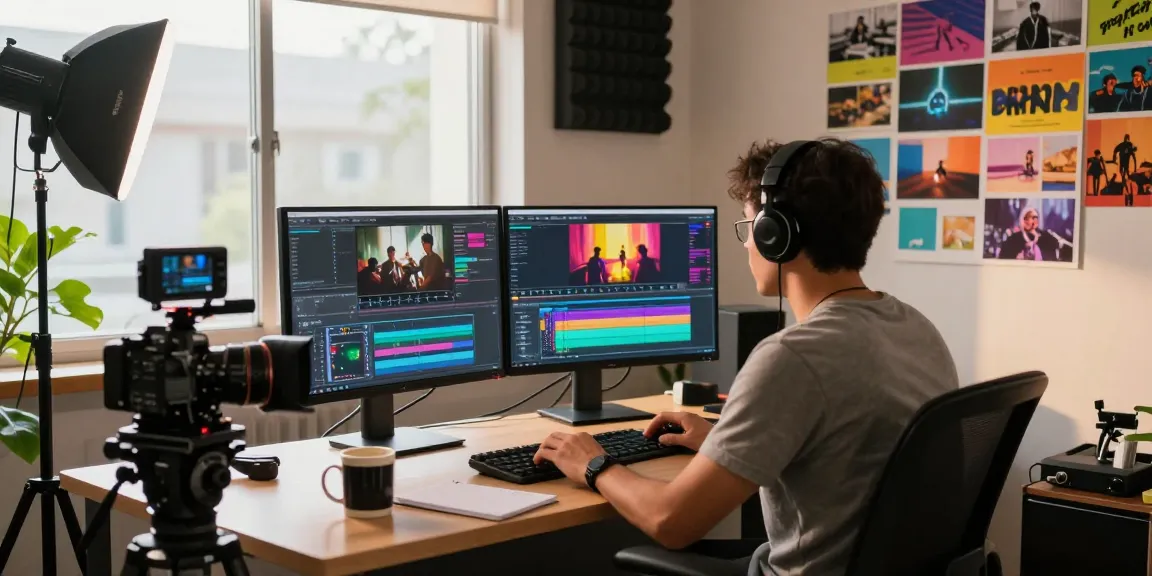
To achieve professional results in color correction and grading, it's vital to use industry-standard software. Adobe Premiere Pro, DaVinci Resolve, and Final Cut Pro are among the most popular choices for filmmakers and content creators alike. DaVinci Resolve, in particular, is renowned for its robust color grading capabilities, offering advanced tools for precise control over color adjustments and effects.
Hardware Requirements for Professionals
Alongside software, adequate hardware is necessary for efficient color grading workflows. High-resolution monitors that support accurate color reproduction are essential, as well as a powerful computer equipped with a capable graphics card. Additionally, color grading panels can enhance the workflow, enabling faster and more intuitive adjustments compared to mouse or keyboard input.
Color Grading Tools: Must-Haves
- Color Grading Software: Choose software that aligns with your needs and level of expertise.
- Color Reference Tools: Tools like color wheels and scopes (RGB, histogram) help monitor color accuracy.
- LUTs: These can dramatically affect the final look and can be used as starting points for color grading.
- High-Quality Monitors: Essential for precise color representation.
Steps to Achieve Professional Color Grading
Basic Techniques for Beginners
For those new to color grading, starting with the basics is crucial. Begin with color correction by adjusting lighting, contrast, and color balance. Familiarize yourself with color grading tools and practice creating simple looks. Many tutorials are available online that can help you understand the fundamental concepts and tools.
Advanced Techniques for Professionals
Once comfortable with the basics, professionals can explore advanced techniques like secondary color correction, color matching between shots, and creating mood-driven color palettes. Techniques like layering, working with curves, and applying masks can enhance your grading, making it more dynamic and visually engaging.
Common Mistakes and How to Avoid Them
One of the most common mistakes in color grading is over-saturation, which can lead to unnatural and distracting visuals. Another frequent error is inconsistency in color grading across scenes, making the project feel disjointed. Always aim for a cohesive look and regularly compare your footage against reference images to keep your grading on track.
Real-World Applications of Color Grading
Case Studies: Successful Films and Videos
Analyzing successful films can provide insight into effective color grading strategies. For instance, in films like "Mad Max: Fury Road," the use of stark, bleached colors underscores the dystopian setting, while "La La Land" employs vibrant hues to enhance its romantic tone. Such case studies demonstrate how effective color grading complements narrative and character development.
Color Grading in Different Genres
Different genres often require distinct color grades; horror films might favor desaturated and dark tones to evoke fear, while comedies might use bright and vivid colors to create a lighthearted atmosphere. Understanding these nuances can aid in making informed color decisions that align with the genre's expectations.
Adapting Techniques for Social Media Content
For platforms like Instagram or TikTok, color grading techniques can vary significantly. Quick cuts and vibrant colors can capture attention more effectively in short formats. Custom LUTs designed for social media can help ensure content stands out while maintaining a cohesive look across posts.
Future Trends in Color Correction and Grading
Technology Innovations in 2026
As technology advances, the tools and techniques for color grading continue to evolve. In 2026, expect to see more intuitive user interfaces, automated color correction features, and improved rendering speeds that will streamline the post-production process. Integration with augmented reality (AR) and virtual reality (VR) systems will also expand the possibilities for immersive storytelling.
AI and Machine Learning in Video Editing
Artificial intelligence is transforming how color grading is approached, enabling systems to learn from vast datasets of films and videos. AI can assist in automatic color correction and suggest enhancements, making workflows faster and potentially more accurate. Filmmakers will likely use AI-generated insights to inform their creative decisions while maintaining artistic control.
Emerging Styles and Techniques to Watch
As new artistic styles emerge, color grading will continue to adapt. Expect a rise in gradings that blend realism with stylized effects, influenced by trends from digital art and photography. Understanding these trends will be crucial for creators aiming to stay relevant in an increasingly competitive landscape.
What are the key differences between color correction and grading?
Color correction focuses on adjusting footage to achieve accurate color representation, while cinematic grading involves stylizing that footage to evoke emotions and support narratives.
How can beginners start learning color grading?
Beginners can start by experimenting with basic color correction tools in software like Adobe Premiere Pro or DaVinci Resolve and explore online tutorials to build foundational skills.
What software should I use for color correction?
Industry-standard software includes Adobe Premiere Pro, DaVinci Resolve, and Final Cut Pro, each offering various tools tailored to different needs and preferences.
What skills are essential for a career in color grading?
Key skills include a strong understanding of color theory, proficiency in color grading software, attention to detail, and the ability to convey emotions through color choices.
How is color grading evolving in the digital landscape?
Color grading is evolving with advancements in technology, leading to more automated processes, improved accessibility of professional tools, and the influence of social media trends on grading styles.