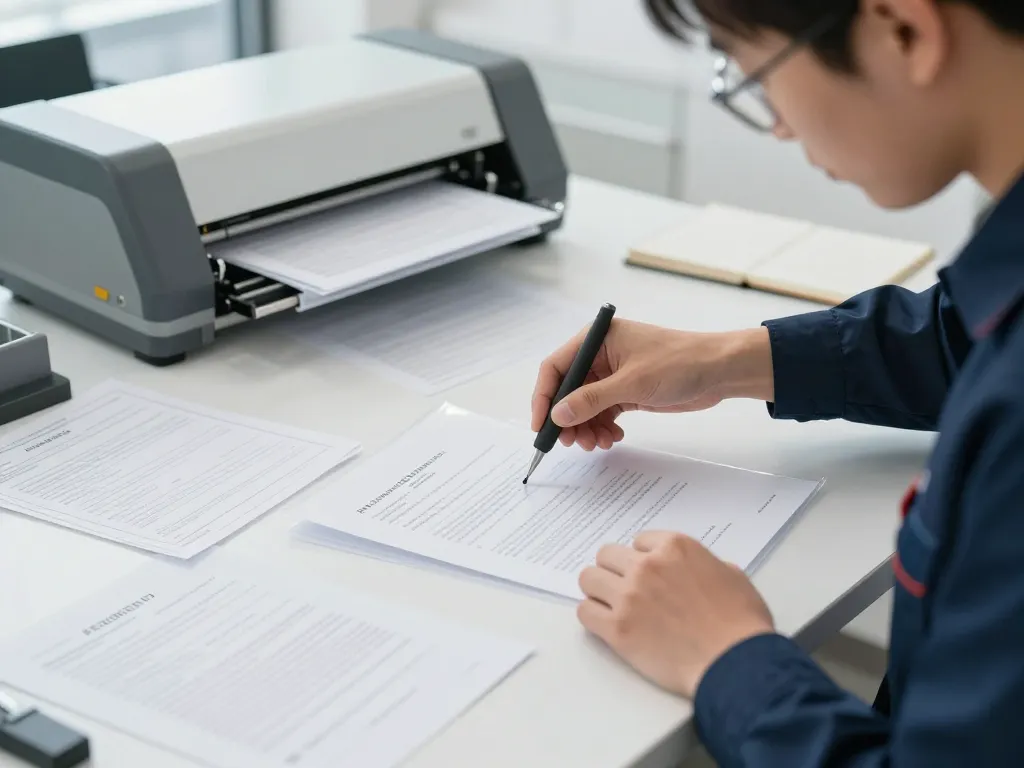
Understanding the Need for Document Lamination
In today's digital age, the importance of preserving important documents cannot be understated. Whether it's real estate documents, educational certificates, or family records, these pieces of paper often hold significant value. Lamination has become a popular method for protecting these documents from wear and tear, moisture, and other environmental factors. However, as the need to modify or maintain such documents arises, many individuals seek guidance on how to unlaminate safely and effectively. For those searching for precise instructions, the hướng dẫn bóc lớp ép plastic hà nội offers comprehensive insights into the process, ensuring that important documents remain intact during removal.
Why Importance of Document Protection?
Document protection is paramount for preserving crucial information and maintaining its validity. Important documents are often exposed to various hazards, including humidity, sunlight, and physical damage. By using lamination, individuals can significantly extend the lifespan of these documents. Moreover, this protective layer helps prevent issues such as fading, tearing, or warping, allowing individuals to keep their essential papers in pristine condition.
Types of Documents Commonly Laminated
- Real estate documents: title deeds, property agreements
- Educational certifications: diplomas, testimonials
- Personal identification: passports, birth certificates
- Legal documents: contracts, marriage licenses
- Memorabilia: photographs, important letters
Benefits of Using Plastic Lamination
The advantages of plastic lamination extend beyond mere protection. Besides safeguarding documents, lamination also enhances their appearance. It provides a glossy finish that can make printed materials look more vibrant and professional. Additionally, laminated documents are easier to clean, ensuring that they remain free from dirt and smudges over time.
Risks and Challenges in Removing Plastic Lamination
While lamination offers numerous benefits, removing the laminated layer can pose challenges. Many people assume that unlaminating documents is a straightforward process, yet it can lead to unintended consequences if not done correctly. Common mistakes during this process can result in damage to the very documents individuals are trying to protect.
Common Mistakes When Attempting to Unlaminate
One of the most frequent errors made is using improper tools or techniques that can compromise the document's integrity. For instance, employing heat sources such as hair dryers or irons may seem like a quick solution, yet it can lead to issues such as the ink smudging or the paper tearing.
Effects of Improper Removal on Documents
The repercussions of improper unlamination can be dire. Documents may become unreadable or lose their structural integrity, rendering them useless for their intended purpose. Additionally, ink that bleeds or adheres to the lamination layer can result in permanent damage, making it challenging to recover the original document condition.
Identifying the Right Tools and Techniques
When it comes to unlamination, having the right tools is essential. Specialized tools designed for this purpose can help individuals achieve better results without damaging their documents. It's advisable to familiarize oneself with such tools before attempting to remove the lamination layer.
Step-by-Step Guide to Safely Unlaminate Documents
For those who wish to attempt unlamination at home, it's crucial to approach the task methodically. Following a structured plan reduces the likelihood of damaging the documents and ensures a safer removal process.
Preparing the Workspace for Unlamination
Your workspace should be clean and free from distractions. Ensure that all necessary tools are organized, including scissors, a utility knife, and any protective gear you may require. This preparation is vital for maintaining focus and ensuring safety during the process.
Safe Techniques for Removing Plastic Lamination
When it comes to removing the laminated layer safely, individuals should consider using chemical solvents that can dissolve the adhesive without damaging the paper. This approach minimizes risk and allows for a more effective unlamination process.
Post-Removal Care for Documents
Once the lamination has been successfully removed, it's vital to handle the document carefully. Store it in a protective sleeve or folder to prevent any further damage. Additionally, consider making digital copies of significant documents for backup purposes.
Professional Services vs. DIY Unlamination
When contemplating unlamination, individuals often weigh the pros and cons of doing it themselves versus seeking professional help. While DIY methods may appear cost-effective, the risk of damaging important documents can lead to greater long-term expenses.
When to Seek Professional Help?
If the document holds considerable value, whether sentimental or financial, it is advisable to consult professionals. Their expertise can save individuals from making irreversible mistakes and ensure that documents remain intact and usable.
Cost Comparison: DIY vs. Professional Services
The cost of DIY tools and potential damages must be balanced against the price of professional services. Often, hiring experts may result in greater initial outlay, but the assurance that documents will remain undamaged can justify the expense.
Assessing Service Quality and Reliability
When selecting a professional service, it’s essential to assess their reliability and quality. Consider reviews, recommendations, and past work examples to ensure that they have the expertise required for the task.
Future Trends in Document Preservation and Protection
As technology evolves, so do practices related to document preservation. Keeping abreast of these changes can help individuals make informed decisions regarding their important papers.
Innovations in Lamination Technology
New advancements in lamination technology focus on developing more environmentally friendly materials that are also more durable. Additionally, innovations are leading to adhesive products that can be removed without risk, allowing for easier document management.
Emerging Practices in Document Management
As digital documentation becomes increasingly prevalent, a hybrid approach to managing both physical and digital records is emerging. Understanding how to integrate these practices will be essential for effective document management.
Predictions for Document Handling in 2026 and Beyond
By 2026, it is predicted that many individuals will rely more on digital formats for their documents while still seeking effective preservation methods for physical copies. This shift will require adapting unlamination techniques and preserving practices to accommodate new trends.
What Should You Consider Before Making Changes?
Before altering current practices regarding document management, individuals should assess their needs and the potential implications of such changes. Understanding both the benefits and drawbacks of current methods will facilitate informed decision-making.