Understanding Flexible Vinyl Plank Flooring
What is Flexible Vinyl Plank Flooring?
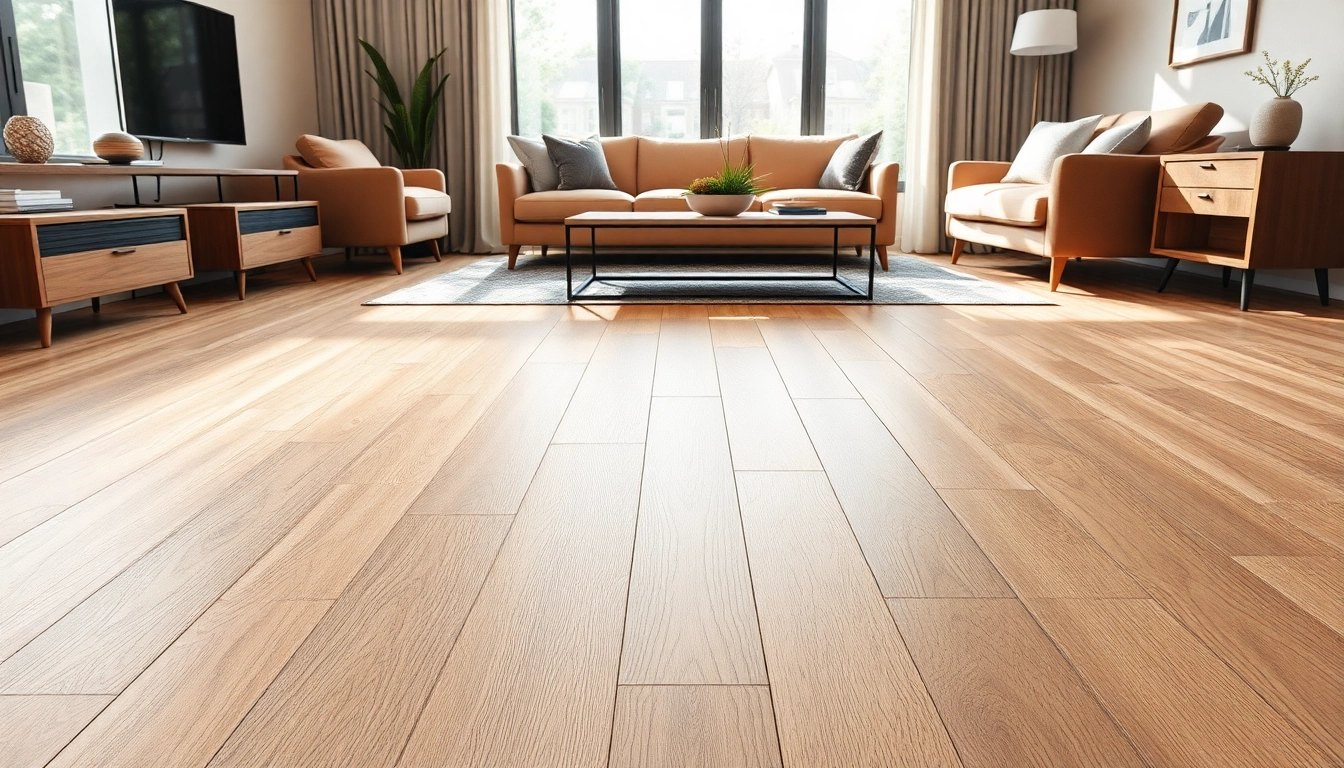
Flexible vinyl plank flooring is a versatile and popular flooring option designed to mimic the appearance of natural materials like hardwood or stone, while providing enhanced durability and ease of maintenance. Made from synthetic materials, these planks are not only flexible but also resilient, allowing for a comfortable underfoot experience. As a solution that combines style and functionality, flexible vinyl plank flooring has rapidly gained popularity for both residential and commercial applications.
Benefits of Choosing Flexible Vinyl Plank Flooring
The advantages of flexible vinyl plank flooring are numerous, making it an appealing choice for many homeowners and businesses alike. Here are some key benefits:
- Durability: Flexible vinyl planks are resistant to scratches, stains, and moisture, making them ideal for high-traffic areas and rooms prone to spills.
- Comfort: The flexibility of the planks provides a softer underfoot feel compared to traditional flooring options, adding comfort in homes and workplaces.
- Easy Installation: Many flexible vinyl plank products feature a click-lock design, allowing for straightforward, DIY installations without the need for adhesives or nails.
- Low Maintenance: Cleaning and maintaining flexible vinyl plank flooring is a breeze. Regular sweeping and occasional mopping is all it takes to keep it looking new.
- Variety of Styles: Available in numerous colors, finishes, and textures, flexible vinyl plank flooring can cater to various aesthetic preferences, seamlessly fitting into any interior design theme.
Common Uses for Flexible Vinyl Plank Flooring
Flexible vinyl plank flooring is applicable in various settings, reflecting its versatility:
- Residential Homes: Often used in living rooms, kitchens, and bathrooms for a stylish and practical flooring solution.
- Commercial Spaces: Ideal for retail, offices, and healthcare environments, where durability and maintenance ease are critical.
- Recreational Areas: Common in gyms and play areas due to its shock-absorbent qualities.
How to Select the Right Flexible Vinyl Plank Flooring
Consider Your Space and Style
When selecting flexible vinyl plank flooring, it’s crucial to consider the specific requirements of your space. Take into account factors such as the room's layout, lighting, and existing decor. For instance:
- Light vs Dark: Lighter planks can make spaces feel more open and airy, while deeper tones can create warmth and intimacy.
- Texture: Select finishes that complement your style, whether you prefer the sleek look of polished wood or a distressed rustic finish.
Evaluating Quality and Durability
The quality of flexible vinyl plank flooring can vary widely between products. Look for indicators of durability such as:
- Thickness: Thicker planks generally offer enhanced stability and resistance to wear.
- Wear Layer: A stronger wear layer protects against scratches and scuffs, with a recommended thickness of at least 20 mils for high-traffic areas.
- Warranty: Longer warranty periods often suggest higher quality and durability.
Understanding Pricing and Budget
Flexible vinyl plank flooring comes in a range of price points. Budgeting involves understanding the cost per square foot, installation fees, and additional materials required. Reevaluating your budget in light of desired quality and aesthetics can help you find the best flooring solution within your means.
Installation Process of Flexible Vinyl Plank Flooring
Preparing Your Subfloor
Proper installation is essential for the longevity and performance of flexible vinyl plank flooring. Start by preparing your subfloor:
- Ensure that the subfloor is clean, dry, and free of debris.
- Repair any uneven areas for a smooth installation surface.
- Consider using an underlayment for added cushioning and sound absorption.
Tools and Materials Needed
Gather the following tools and materials before commencing installation:
- Flexible vinyl planks
- Utility knife
- Measuring tape
- Straight edge or ruler
- Spacers
- Underlayment (if required)
Step-by-Step Installation Guide
Follow this step-by-step guide for successful installation:
- Measure the room and calculate the required plank quantity.
- Acclimate the planks by leaving them in the room for at least 48 hours.
- Install the underlayment if required.
- Begin installing the planks from one corner of the room, using spacers against the walls.
- Fit the planks together according to the manufacturer's instructions, cutting as necessary to fit around obstacles.
- Finish by removing spacers and adding baseboards as needed.
Maintaining Your Flexible Vinyl Plank Flooring
Daily Care and Cleaning Tips
To maintain the appearance and performance of flexible vinyl plank flooring, simple daily care and cleaning includes:
- Sweeping or vacuuming regularly to remove dust and debris.
- Using a damp mop with a pH-neutral cleaner to avoid damage.
- Placing mats at entrances to prevent dirt from being tracked indoors.
Best Practices for Longevity
To prolong the life of your flooring, consider these best practices:
- Avoid harsh chemicals that can degrade the material.
- Trim pet nails to prevent scratches and dents.
- Use felt pads under furniture to avoid indents.
Common Mistakes to Avoid
When maintaining your flexible vinyl plank flooring, be wary of these common mistakes:
- Neglecting regular cleaning, allowing dirt buildup.
- Using an excess amount of water while mopping.
- Ignoring signs of damage and not addressing them promptly.
Frequently Asked Questions on Flexible Vinyl Plank Flooring
Is flexible vinyl plank flooring waterproof?
Many flexible vinyl plank flooring options are designed to be waterproof, making them suitable for areas like kitchens and bathrooms.
How long does flexible vinyl plank flooring last?
With proper care, flexible vinyl plank flooring can last between 10 to 20 years, depending on the quality and maintenance.
Can I install flexible vinyl plank flooring myself?
Yes! Most flexible vinyl plank flooring features a simple click-lock installation system, making it suitable for DIY projects.
What is the cost range for flexible vinyl plank flooring?
The cost generally ranges from $2 to $7 per square foot, depending on quality, design, and brand.
Are there any eco-friendly options for flexible vinyl plank flooring?
Yes, some options are made with recycled materials and have low VOC emissions, promoting healthier indoor air quality.