Understanding Diesel Generators
As the demand for reliable power solutions continues to rise, Diesel generators have emerged as a cornerstone technology across various sectors. These machines are designed to convert diesel fuel into electrical energy, providing critical backup power in emergencies and serving as a primary power source in remote areas or during peak usage times. This article delves into the fundamentals of diesel generators, exploring their components, operation, advantages, challenges, and future trends in technology.
What Are Diesel Generators?
A diesel generator is essentially a combination of a diesel engine and an electric generator (often an alternator). This device is used to generate electrical energy, typically during periods when grid power is unavailable or insufficient. Diesel generators are favored for their robustness, efficiency, and the ability to deliver high power output consistently.
Key Components of Diesel Generators
Understanding the key components of a diesel generator is crucial for anyone looking to invest in or maintain one. The main components include:
- Diesel Engine: The heart of the generator, responsible for converting fuel into mechanical energy.
- Alternator: Converts mechanical energy into electrical energy.
- Fuel System: Stores and supplies diesel fuel to the engine.
- Cooling System: Regulates the temperature of the engine to prevent overheating.
- Exhaust System: Expels gases produced during combustion away from the generator.
- Control Panel: Monitors and controls generator operation, displaying performance metrics and alerts.
How Diesel Generators Work
Diesel generators operate based on the principle of combustion. Diesel fuel is injected into the combustion chamber of the engine, mixed with air, and ignited by the heat of compression. This ignition creates a series of explosions that move the pistons, producing mechanical energy. The alternator connected to the engine then converts this mechanical energy into electrical energy, which can then be used to power electrical devices.
Advantages of Diesel Generators
Diesel generators are known for their numerous advantages, making them a preferred choice in various industries and applications. Let's explore some of these benefits in detail.
Fuel Efficiency and Longevity
One of the most significant advantages of diesel generators is their fuel efficiency. Diesel engines generally provide more energy per liter of fuel compared to gasoline engines, allowing them to run longer on the same amount of fuel. This efficiency translates into lower operational costs over time, particularly for businesses that require continuous power. Additionally, diesel generators tend to have a longer lifespan due to the durability of diesel engines.
Durability in Harsh Environments
Diesel generators are built to withstand harsh conditions, making them ideal for industrial and outdoor applications. Their rugged construction means they can perform reliably in extreme temperatures and adverse weather conditions, ensuring power availability when it's needed most. This resilience is a critical factor in industries such as construction, mining, and agriculture.
Cost-Effectiveness Over Time
Although the initial purchase price of diesel generators may be higher than that of gasoline generators, the long-term cost savings are often significant. Diesel generators typically require less maintenance and have lower fuel costs, leading to better return on investment. For businesses and users running their generators frequently, this cost-effectiveness is a crucial consideration.
Common Applications for Diesel Generators
Diesel generators find applications across a wide range of industries due to their reliability and performance. Here are some common uses:
Diesel Generators in Industrial Settings
In industrial environments, diesel generators are often employed as backup power sources to ensure production continuity. They are critical during power outages, preventing costly downtimes and ensuring that machinery and processes remain operational.
Backup Power for Businesses
Businesses, particularly those with high energy demands like data centers, hospitals, and manufacturing facilities, utilize diesel generators for backup power. In emergencies, these generators provide immediate power, safeguarding crucial operations and protecting sensitive equipment.
Residential Uses of Diesel Generators
Homeowners in areas prone to power outages also benefit from diesel generators. These machines can power essential appliances during blackouts, ensuring comfort and safety for families. Additionally, they can serve as a primary power source for homes located in remote or off-grid locations.
Challenges and Considerations
While diesel generators offer many advantages, several challenges and considerations must be addressed.
Environmental Impact and Regulations
Diesel generators are often criticized for their environmental impact, particularly concerning emissions. They release nitrogen oxides (NOx) and particulate matter, contributing to air pollution. As environmental regulations become stricter, users may face compliance challenges, necessitating investments in cleaner technologies or emissions control systems.
Maintenance Requirements
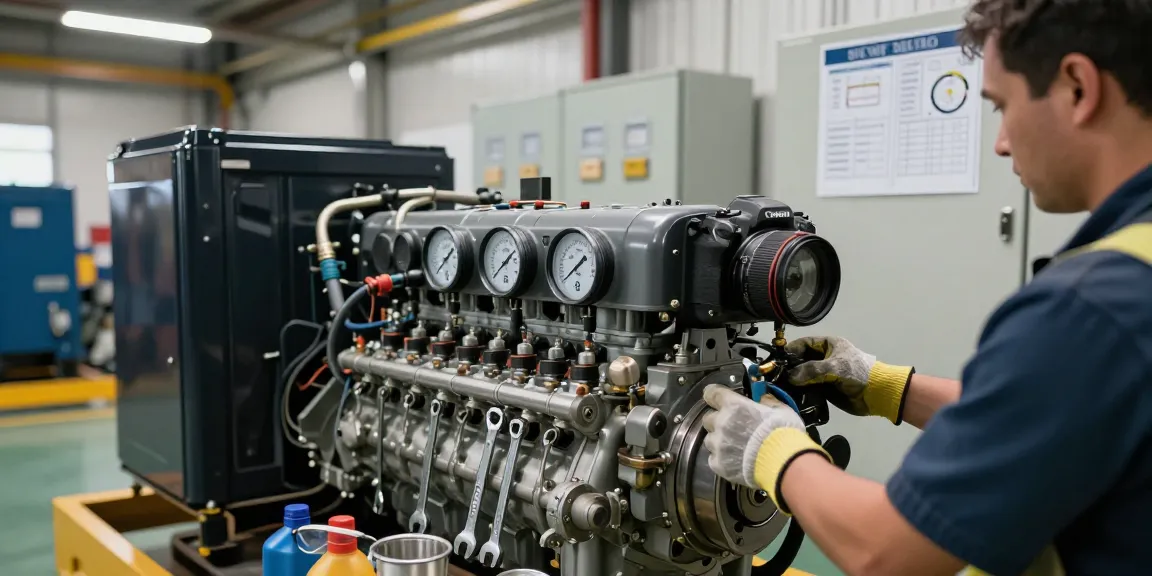
Regular maintenance is crucial for the optimal performance of diesel generators. Owners must ensure timely oil changes, filter replacements, and system checks to avoid breakdowns. While diesel generators have lower maintenance needs than some alternatives, neglecting regular upkeep can lead to costly repairs and inefficiencies.
Noise Levels and Mitigation Strategies
Diesel generators are known for producing significant noise, which can be a concern for residential and urban areas. To mitigate this issue, users can invest in soundproof enclosures or select models designed for quieter operation. Utilizing generators primarily during off-peak hours can also help minimize noise disturbances.
Future Trends in Diesel Generator Technology
As we look toward the future, several trends are shaping the diesel generator market and technology, particularly in response to evolving energy needs and environmental considerations.
Innovations in Efficiency and Sustainability
The next generation of diesel generators is focusing on enhanced fuel efficiency and lower emissions. Innovations such as advanced fuel injection systems and hybrid technologies that combine diesel with renewable energy sources are emerging. These advancements aim to reduce the carbon footprint of diesel power generation while maintaining performance and reliability.
The Role of Diesel Generators in Renewable Energy Systems
Diesel generators are increasingly being integrated into renewable energy systems, particularly in hybrid setups where they provide backup power when solar or wind sources are insufficient. This integration allows for a more resilient energy grid, particularly in remote locations where renewable energy is the primary source.
Market Predictions for 2026 and Beyond
Market analysts project that the demand for diesel generators will continue to grow into 2026 and beyond, driven by increased infrastructure development and the need for backup power solutions. Demand in developing regions is expected to surge as more industries tap into reliable power sources.
What Are the Best Diesel Generators Available?
When looking for the best diesel generators, potential buyers should consider factors such as power output, fuel efficiency, noise levels, and brand reputation. Leading brands such as Generac, Cummins, and Caterpillar offer a range of models suited for diverse applications, ensuring users can find a generator that meets their specific needs.
How to Choose the Right Diesel Generator?
Choosing the right diesel generator involves assessing power requirements, intended usage, and budget constraints. Users should evaluate their peak power needs and consider additional features like portability, sound attenuation, and ease of maintenance. Consulting with an expert can also provide valuable insights tailored to individual requirements.
Can Diesel Generators Be Used for Home Backup Power?
Yes, diesel generators can effectively serve as home backup power sources. They provide reliable energy for essential appliances and systems, ensuring households remain functional during outages. However, users should assess their energy consumption needs to select an appropriately sized unit.
Why Are Diesel Generators More Expensive Than Gas?
The higher cost of diesel generators can be attributed to their more robust construction and fuel efficiency. Diesel engines are generally more durable and capable of higher outputs compared to gas generators, justifying the investment for users who require reliable and long-lasting power solutions.
What Maintenance Is Required for Diesel Generators?
Regular maintenance of diesel generators includes oil changes, filter replacements, battery checks, and cooling system inspections. For more information, diesel genset offers valuable insights. Developing a maintenance schedule is crucial for ensuring optimal performance and longevity of the generator.