
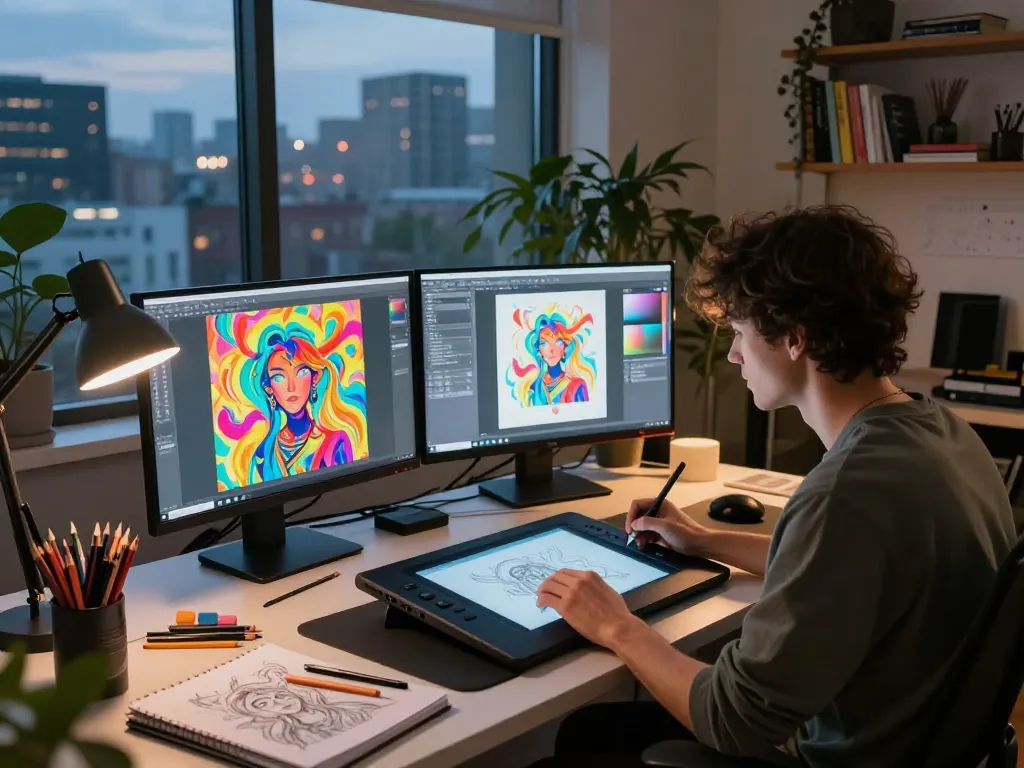
Understanding NSFW AI: Basics and Potential
As technology continues to permeate various facets of our daily lives, the emergence of nsfw ai has sparked both intrigue and controversy. This innovative branch of artificial intelligence focuses on generating and interacting with content that is not safe for work (NSFW), encompassing a range of applications from art to virtual interactions. Understanding the foundations of NSFW AI is essential for creators, developers, and consumers alike to navigate its vast landscape responsibly and creatively.
What is NSFW AI?
NSFW AI refers to artificial intelligence technologies designed to create, analyze, or manipulate content deemed inappropriate for workplace viewing. This includes graphic imagery, adult-themed dialogue, and simulations of intimate interactions. At its core, NSFW AI employs advanced algorithms, often utilizing machine learning and neural networks, to produce outputs that align with user inputs while adhering to the nuanced boundaries of adult content.
The Evolution of NSFW AI Technologies
The journey of NSFW AI dates back to early experiments in computational art and chatbot development. As algorithms evolved, so did the capability to produce more sophisticated and nuanced content. The advent of deep learning has allowed for improved image generation and text comprehension, resulting in more lifelike interactions and visuals. Today, platforms can generate NSFW content that is not only pleasing to the eye but also deeply engaging, offering tailored experiences to users.
Applications in Digital Art and Beyond
The applications of NSFW AI extend far beyond conventional adult entertainment. In the realm of digital art, for example, artists can leverage AI-driven tools to create evocative pieces that blend human creativity with machine efficiency. Moreover, NSFW AI also finds utility in gaming, virtual reality experiences, and personalized storytelling, creating immersive environments that captivate audiences and foster deeper connections.
Challenges and Ethical Considerations in NSFW AI
While the potential of NSFW AI is vast, it is accompanied by significant challenges and ethical dilemmas that must be addressed. The creation and distribution of NSFW content raise questions about consent, appropriation, and the societal implications of such technologies.
Addressing Misuse and Controversial Content
One of the primary concerns surrounding NSFW AI is the potential for misuse. Malicious actors may exploit these technologies to create non-consensual imagery or manipulate content in harmful ways. Ensuring that creators adhere to ethical guidelines and implement robust safety measures is crucial to mitigate these risks and protect individuals from exploitation.
Ethics of Creating NSFW AI Art
Artists and developers involved in NSFW AI must navigate complex ethical landscapes. Questions about the implications of creating explicit content, particularly involving fictional characters or avatars, challenge traditional notions of morality in art. Open discussions about the responsibilities of creators and the conscious choices they make in their artistic processes are essential for fostering a respectful and inclusive environment.
User Safety and Consent Issues
User safety is paramount in the realm of NSFW AI. Consent must be foundational, particularly when dealing with character representations and immersive experiences. Platforms must implement clear guidelines and practices to ensure that users engage with content that respects their boundaries and preferences, thereby fostering a consensual digital landscape.
Implementing NSFW AI in Your Creative Process
For creators looking to incorporate NSFW AI into their practices, understanding how to navigate the available tools and platforms is crucial. By selecting the right technologies and following best practices, artists can harness the power of AI to enhance their work meaningfully.
Choosing the Right Tools and Platforms
When diving into the world of NSFW AI, selecting the appropriate tools is vital. Various platforms offer distinct functionalities, from text generators to image synthesizers. Creators should assess their specific needs, whether it’s for producing realistic visuals, generating dialogue for characters, or exploring thematic storytelling. Researching and comparing these options helps in making informed decisions that align with artistic goals.
Best Practices for Creating Engaging Content
To create compelling NSFW AI content, artists should adhere to best practices that enhance engagement while respecting ethical guidelines. This includes:
- Understanding Audience Expectations: Tailoring content to meet the desires and preferences of the audience without crossing ethical boundaries.
- Iterative Feedback: Engaging with user feedback to refine and enhance content quality.
- Responsible Representation: Ensuring that characters are depicted in ways that honor diversity and consent.
Case Studies of Successful NSFW AI Artists
Several artists have successfully integrated NSFW AI into their creative processes, thus broadening the scope of artistic expression. For example, an artist may use AI-driven tools to create stunning visual narratives that captivate audiences while exploring themes of intimacy and human connection. These case studies offer valuable insights and inspiration for aspiring creators.
Future Trends in NSFW AI Development
As with all technological advancements, the future of NSFW AI is filled with promise and uncertainty. Understanding emerging trends can help artists and developers position themselves advantageously in this evolving field.
Predictions for 2026 and Beyond
Looking ahead, we can expect NSFW AI to become increasingly sophisticated. Advances in natural language processing and image synthesis will facilitate even more realistic interactions and creations. The growth of virtual and augmented reality technologies will likely integrate NSFW AI in ways that enhance immersive experiences, pushing the boundaries of creativity.
Emerging Technologies to Watch
New technologies on the horizon, such as enhanced neural networks and ethical AI frameworks, are likely to play a significant role in shaping the future of NSFW AI. Tools that prioritize user safety, consent, and accessibility will become crucial as demand for responsible NSFW content continues to grow.
How to Stay Relevant in a Changing Landscape
Keeping pace with developments in NSFW AI requires continuous learning and adaptation. Artists should stay informed about technological advancements, regulatory changes, and societal attitudes toward adult content. Engaging in communities, attending workshops, and following industry leaders can provide inspiration and critical insights for navigating this dynamic field.
Frequently Asked Questions about NSFW AI
What are the legal implications of NSFW AI?
The legal landscape surrounding NSFW AI is complex and varies by jurisdiction. Issues such as copyright, consent, and age restrictions must be meticulously navigated to ensure compliance with laws governing adult content.
How can I safely use NSFW AI in my projects?
To use NSFW AI safely, it is essential to conduct thorough research and implement ethical guidelines. Understanding platform policies, adhering to content safety standards, and prioritizing user consent are fundamental practices for responsible use.
What are the best NSFW AI tools available today?
The best NSFW AI tools continually evolve, but popular options include DALL-E for image generation, GPT-4 for text-based interactions, and various character simulation platforms that offer tailored experiences. Evaluating tools based on features, user reviews, and ethical considerations can aid in making the right choices for your projects.
Can NSFW AI content be monetized effectively?
Yes, NSFW AI content can be monetized, but it requires careful planning and adherence to legal regulations. Creating subscription-based models, offering exclusive content, or licensing artworks are potential avenues for generating revenue while maintaining ethical standards.
How do I improve my NSFW AI art skills?
Improving NSFW AI art skills involves a combination of practice and education. Experimenting with different tools, seeking feedback from peers, and studying successful case studies can foster growth and expand creative capabilities in this unique domain.